
LSA Marketing for Home Service Businesses: Why Leads Don’t Always Turn Into Real Work
Getting Leads But Not Jobs – The Frustration Most Contractors Are Facing
Lsa marketing for home service companies often starts off feeling like a win.
The leads come in. Your phone rings. You’re paying per lead, sometimes a solid cost per lead.
But at the end of the month?
You’re looking at your numbers thinking:
“We got leads… but where are the actual jobs?”
Some calls are wrong number.
Some are price shoppers talking to three other contractors.
Some feel like bad leads from the start.
You’re not alone in this.
Most home service businesses we talk to aren’t struggling to get more leads. They’re struggling to turn those leads into booked jobs, into real jobs that move the business forward.
And that’s where the frustration builds:
- You’re putting money into google lsas
- You’re adjusting your weekly budget
- You’re trying to reach more customers
- But you can’t clearly connect that spend to actual revenue
The truth is, lsa marketing for home services isn’t the problem.
But it’s incomplete.
And until you understand what’s missing, you’ll keep getting activity without outcomes.
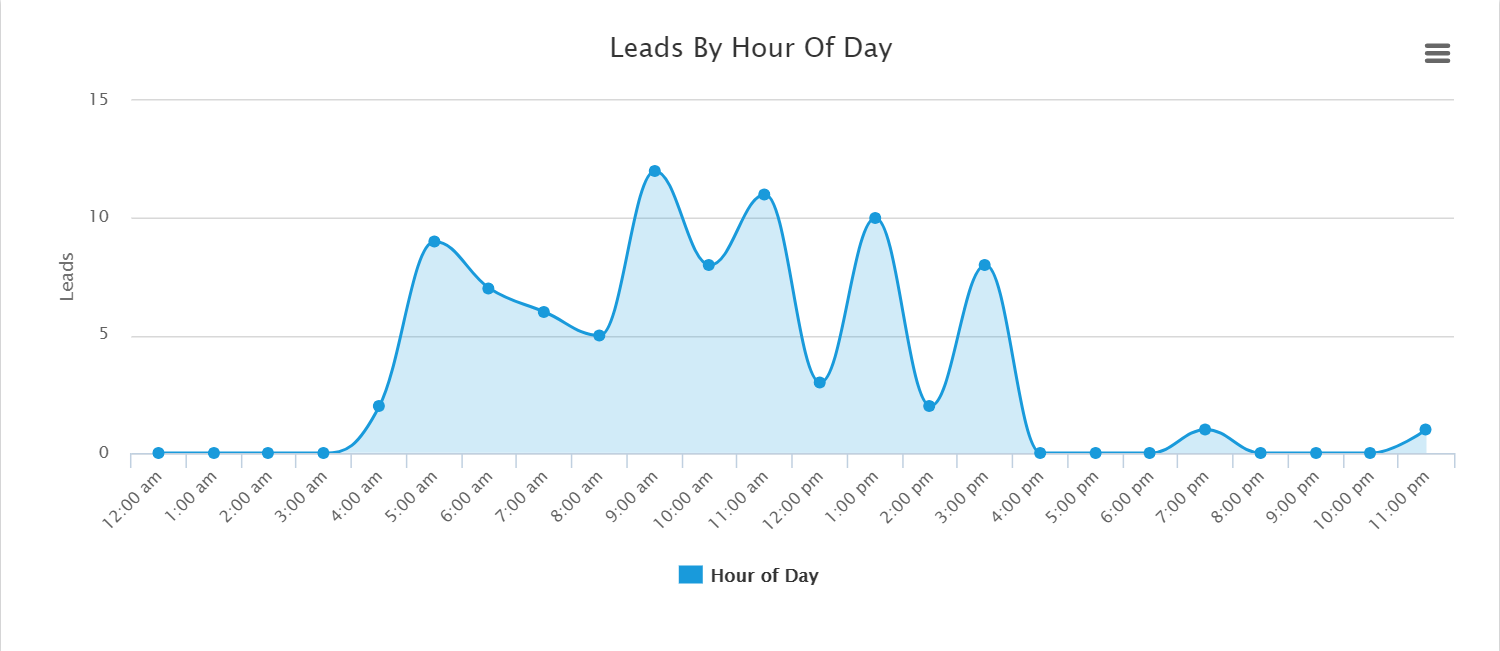
Why LSA Marketing Alone Doesn’t Create Consistent Jobs
LSAs Work – But They Don’t Control Lead Quality
Let’s be clear:
google local services (LSAs) can work.
They show your business name at the very top of google search results, often above traditional google ads and organic listings. That’s prime real estate.
You get the google guarantee badge, which builds trust fast.
You can receive leads directly — calls, messages, even same day emergency calls depending on your service type.
And the pay per lead model feels simple compared to paid ads with complicated bidding strategy setups.
But here’s what most local service providers realize after a few months:
LSAs bring in potential customers — not necessarily the right customers.
Because from the homeowner’s perspective, your ad is sitting next to:
- 2–4 other local service businesses
- All offering similar services
- All with a google guarantee
So what do they do?
They click multiple listings.
They compare pricing.
They look for the fastest response with the least effort.
That’s where lead quality starts to drop.
You didn’t do anything wrong.
That’s just how the system works.
The Real Problem With Other Lead Sources Contractors Rely On
LSAs aren’t the only place this happens.
Most home service businesses are juggling a mix of lead sources:
Lead Platforms Create Price Competition (Angi, HomeAdvisor, Thumbtack)
- Shared leads sent to multiple service businesses
- Competing on price instead of value
- Designed to generate more leads, not better ones
Google Ads Can Get Expensive Without Clear ROI
- Traditional google ads and search ads can drive traffic
- But without the right marketing strategies, they burn budget fast
- Hard to track which clicks turn into booked jobs
Referrals Are Strong — But You Can’t Rely On Them
- High trust, high conversion
- But completely unpredictable
- You can’t scale them or control when they come in
Trade Shows Create Spikes, Not Stability
- Good for visibility in your local area
- But they create spikes, not systems
- One weekend busy, next month quiet
Most Marketing Agencies Don’t Tie Effort to Jobs
- Many focus on impressions, clicks, and traffic
- Not tied to business goals like revenue or signed contracts
The Core Issue: You Don’t Control Where Jobs Come From
Across all of these channels, the same issue shows up:
You don’t control:
- Who sees your business profile
- Which search terms trigger your visibility
- Which potential customers turn into actual customers
- Or why some months bring more jobs and others don’t
You’re reacting instead of controlling.
That’s why so many contractors feel stuck:
- Spending more doesn’t always bring better results
- Increasing your weekly budget doesn’t guarantee better leads
- Even if you run lsas correctly, results still feel inconsistent
Spikes in leads don’t build a business. Systems do.
Where Serious Homeowners Actually Look Before Hiring
Google Search and Maps Drive High-Intent Local Leads
Today, most new customers aren’t coming from flyers or directories.
They’re going straight to google search.
Typing things like:
- “hvac repair near me”
- “kitchen remodel contractor in [city]”
- “pest control service same day”
These aren’t casual searches.
These are people ready to hire.
And where do they look first?
- Google local services ads
- Google Maps
- Organic search results
That top section of the page?
That’s the new version of a billboard — except it only shows up for people actively looking for your specific services.
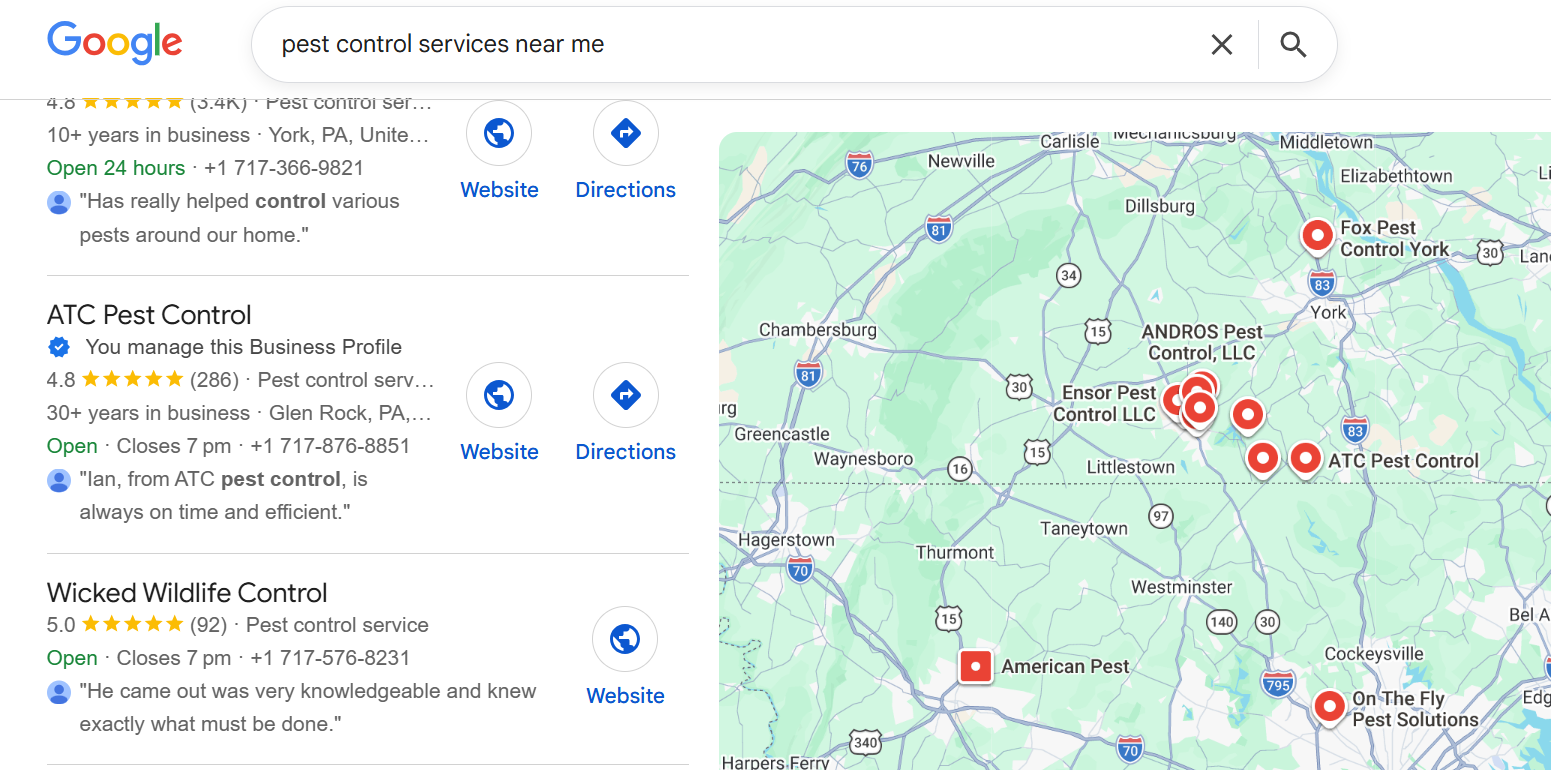
Why Reviews and Proof Matter More Than Just Showing Up
Here’s what actually separates one contractor from another:
- Number of positive reviews
- Quality of photos inside your google business profile
- Clarity of your service categories and service area
- Consistency of your business hours and responsiveness
Homeowners don’t just pick the first listing.
They compare.
They look for a reliable service provider they can trust — especially for bigger jobs like remodels or urgent needs like hvac contractors handling breakdowns.
That’s where most lsa marketing for home services efforts fall short.
Because LSAs alone don’t give enough depth to make your business stand out.
Why LSAs Need Support From Maps and Organic Search
LSAs help you show up.
But your full presence across:
- Google Business Profile
- Organic local search
- Reviews and photos
…is what helps you win.
Contractors who rely only on ads lsas are visible — but often not convincing.
Contractors who build a full presence become the obvious choice.
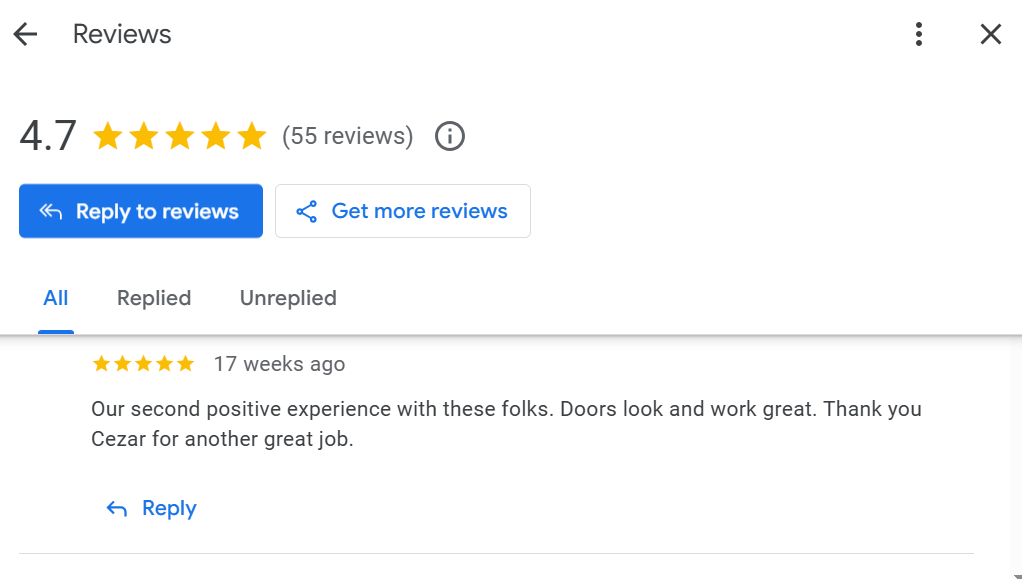
How Visibility Turns Into Calls, Conversations, and Booked Jobs
The Real Path From Search to Signed Job
Here’s what actually happens when the system works:
Visibility → Trust → Phone calls → Estimates → Booked jobs
Not just visibility alone.
Not just clicks.
Not just more leads.
The difference is what happens after someone sees your business.
Why LSA Leads Often Turn Into Price Shoppers Instead of Jobs
When contractors rely only on google lsas, a few things usually happen:
- The homeowner sees multiple options → becomes a price shopper
- Your business profile doesn’t have enough proof to stand out
- Reviews are limited or not tied to your service type
- There’s no deeper presence in google search results
So even if you’re getting lsa leads, they don’t always turn into:
- New customers
- Booked jobs
- Or consistent more jobs
That’s where the frustration shows up as “low quality leads” — but it’s really a system issue.
What Changes When You Build a Strong, Visible Presence
When your visibility is built the right way, everything shifts.
You show up across:
- Google local services ads
- Google Maps
- Organic search results
Your google business profile is active, complete, and full of proof.
You’ve passed Google’s verification process, including background checks, earning the google guarantee badge.
And now when homeowners search:
- They see consistency
- They see trust signals
- They see a contractor who clearly serves their local area
That’s when the conversation changes.
Instead of:
“Can you beat this price?”
You start hearing:
“Are you available this week?”
Real Example: Same Leads, Better System, More Jobs
A contractor running LSAs was:
- Getting steady phone calls
- Paying a decent cost per
- But closing very few jobs
After strengthening their full presence:
- Improved reviews tied to specific projects
- Cleaned up their business profile
- Expanded visibility in local search
They didn’t necessarily get more leads.
They got better ones.
And that’s what led to:
- More booked jobs
- Better customers
- Less wasted time on bad leads
At this point, the pattern becomes clear:
It’s not about adding another lead source.
It’s not about increasing your weekly budget or throwing more into google ads.
The real question is:
How do you turn all of this into a predictable system – one that consistently brings in the right customers and turns them into real jobs?
That’s what we’ll break down next.
The Hector 6-Step System That Turns LSA Leads Into Predictable Jobs
At this point, the issue isn’t visibility.
You’re already showing up in google local services ads, getting phone calls, and reaching potential customers.
The real shift happens when you connect everything into a system — one that brings in the right audience, filters out low quality leads, and consistently turns visibility into booked jobs.
Here’s what that looks like in practice.
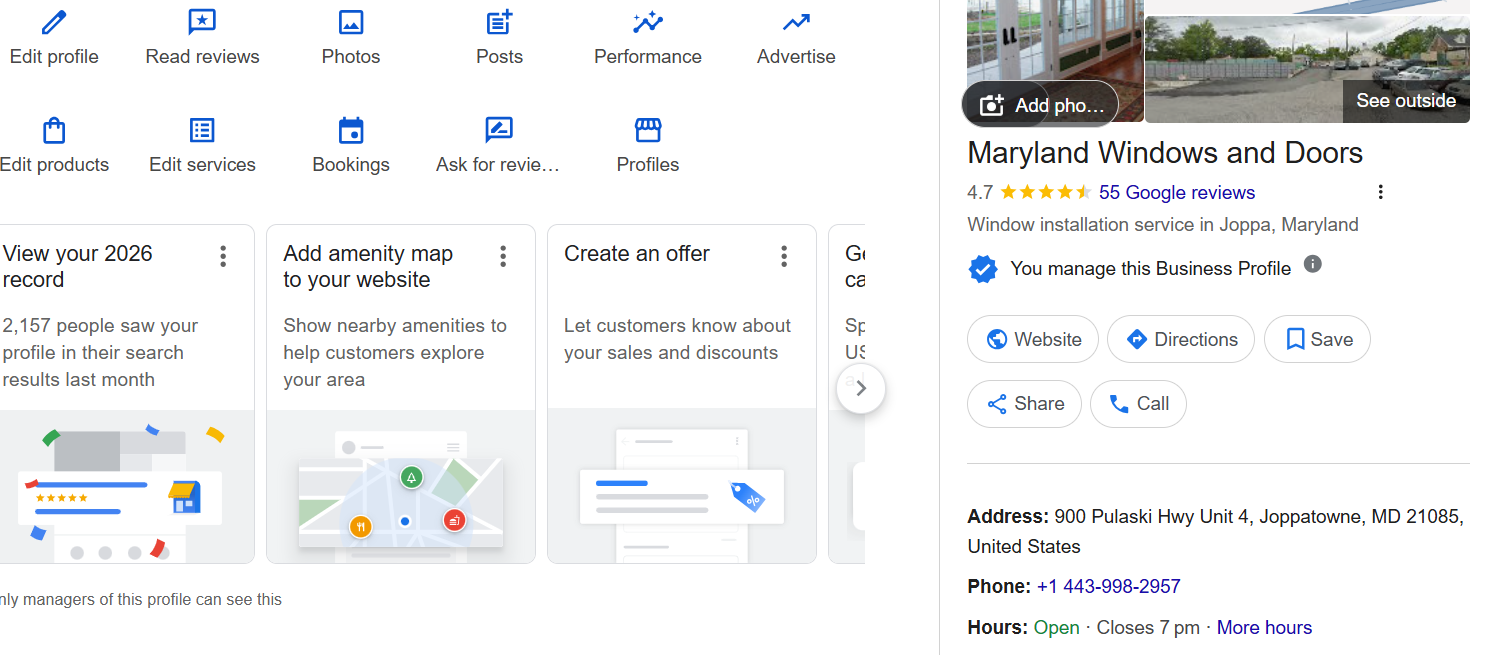
Step 1: Build a Google Business Profile That Actually Converts
Your google business profile is the foundation of everything.
This is where homeowners decide if your business is worth calling — especially when they see you in google search results or Maps alongside other local service providers.
What matters here:
- Clear service categories tied to your actual work (not just “general contractor”)
- Accurate service area so you show up in the right local search
- Updated business hours (especially for emergency or same day services)
- Real project photos tied to specific services (not stock images)
- A complete business profile that reflects what you actually do
This is something most home service businesses can improve quickly.
But most don’t — which is why their visibility doesn’t convert.
Step 2: Build Consistent Reviews That Match Your Services
Reviews aren’t just about quantity.
They’re about relevance.
If you’re an HVAC company, you want reviews that mention hvac repair, installs, or emergency calls.
If you’re in pest control, you want reviews tied to those specific services.
This directly impacts:
- Your ranking in google local services
- Your performance in google lsas
- How homeowners perceive your reliable service
And more importantly, it affects who calls you.
Better reviews = better potential customers.
This is an ongoing process. Not a one-time push.
Step 3: Run LSAs the Right Way (Short-Term Lead Flow)
Most contractors already run lsas.
But very few run them strategically.
With google lsas, you’re working inside a system that includes:
- A verification process
- Background checks
- Service-based matching based on your service type
- A pay per lead structure tied to your weekly budget
Here’s where most go wrong:
- Too broad with service categories
- Poor filtering → leads outside your local area
- No tracking → can’t tell which leads turn into real jobs
When managed correctly, ads lsas can:
- Bring in new customers within 1–3 weeks
- Generate steady phone calls
- Help you reach people searching at the very top of google search
But they only work well when supported by everything else.
Step 4: Build a Website That Matches How People Search
Your website isn’t just for branding.
It’s how you show up for specific search terms in organic google search.
Most service businesses make one mistake:
They build one general page and expect it to rank for everything.
Instead, your site should clearly cover:
- Each service type (kitchen remodel, bathroom remodel, hvac repair, etc.)
- Each relevant service area
- Clear messaging that matches what homeowners are searching
This is where local search starts working for you — not just your ads.
For most contractors, this is where outside help becomes valuable.
Step 5: Build Organic Visibility That Compounds Over Time
This is where predictability starts to show up.
With consistent SEO work, your business begins to rank for:
- High-intent search terms
- Bottom-funnel queries tied to your services
- Local searches that bring in better-qualified customers
Unlike paid ads, this doesn’t stop when your budget stops.
It builds.
Over time, you start to:
- Get consistent inbound phone calls
- Attract the right customers
- Reduce reliance on low quality leads
Timeline-wise:
- First traction: ~2–4 months
- Compounding results: ongoing
Step 6: Use Google Ads Strategically
There’s nothing wrong with google ads
But they shouldn’t be your foundation.
Traditional google ads and search ads work best when:
- Your system is already converting
- Your business goals are clear
- You’re scaling into new service categories or areas
Otherwise, they just become another expense chasing more leads instead of better ones.
The goal isn’t to rely on ads.
It’s to use them with purpose.
FAQs
Are google local services ads worth it for home service businesses?
Yes—but only when they’re part of a complete system. On their own, google local services ads can generate lsa leads, but they don’t guarantee booked jobs. Without strong reviews, a solid google business profile, and visibility in google search results, those leads often stay unqualified. LSAs work best when they’re supported, not isolated.
Why am I getting bad or low quality leads from google lsas?
Most low quality leads come from how your profile and targeting are set up. If your service categories are too broad, or your reviews don’t match your actual services, you’ll attract the wrong people. Weak presence in local search also hurts trust. It’s rarely the platform—it’s how the system around it is built.
How many LSA leads should actually turn into booked jobs?
There isn’t a fixed percentage because it depends on your overall system. Contractors with strong reviews, clear positioning, and better follow-up convert more potential customers into real jobs. If your close rate is low, it usually points to trust or targeting issues. The goal isn’t more leads—it’s better conversion from the ones you already get.
Is LSA marketing for home services enough by itself to grow a business?
No, and this is where most contractors get stuck. LSAs give you visibility, but they don’t build trust on their own. You still need a strong google business profile, consistent reviews, and organic local search presence. Without that, you’re competing on price instead of credibility.
Why do some months feel busy and others completely slow with LSAs?
Because LSAs alone don’t create consistency—they react to demand, competition, and budget changes. If you’re only relying on pay per lead traffic, your pipeline will always fluctuate. A stronger system balances LSAs with organic visibility and reputation. That’s what smooths out the ups and downs.
How long does it take for SEO to actually improve lead quality?
Most contractors start seeing early movement in 2–4 months, especially in local search visibility. But the real value comes from compounding over time as rankings and trust build. Unlike paid ads, SEO doesn’t reset when you stop spending. It becomes a steady source of better new customers.
Where Hector Fits Into This
Most marketing agency conversations focus on:
- Traffic
- Clicks
- Rankings
That’s not how we look at it.
At Hector, We focus on:
- How many potential customers turned into actual customers
- How many leads became booked jobs
- Whether your system is improving month over month
Because the goal isn’t just to generate activity.
It’s to help your business:
- Reduce dependence on shared platforms
- Build a system that compounds
- Gain control over where your more jobs come from
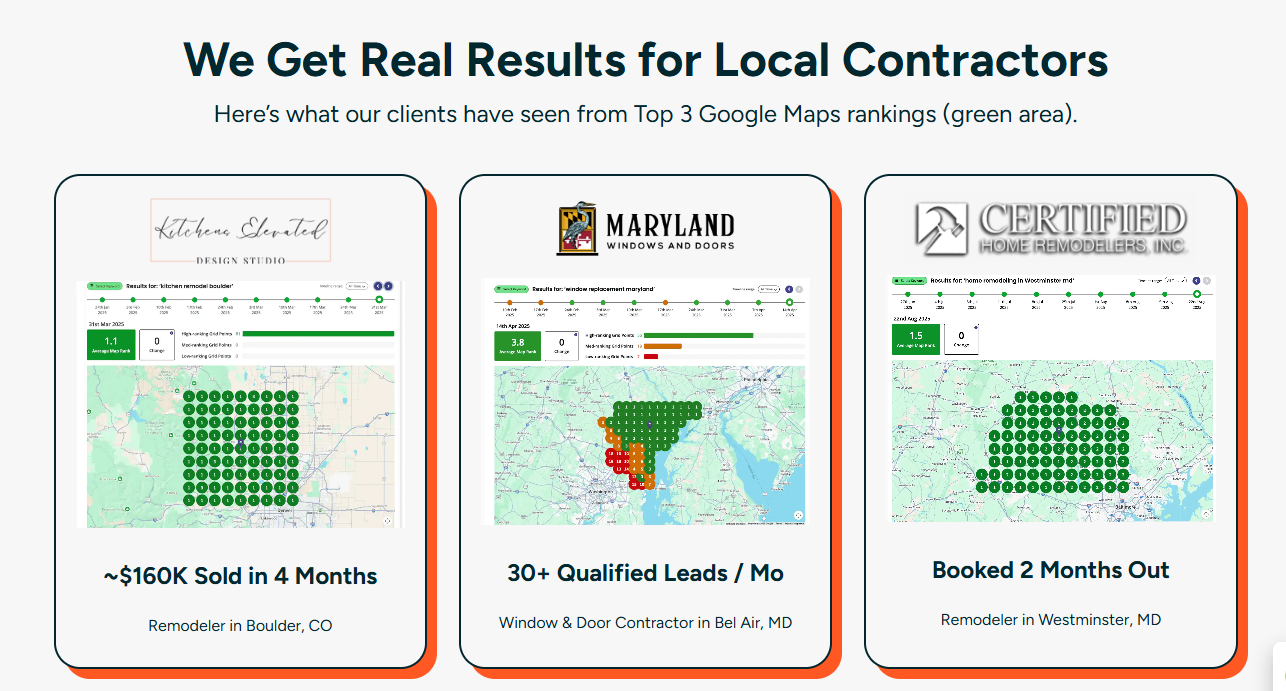
A Real Scenario Contractors Recognize
A contractor we worked with was:
- Running google lsas
- Getting consistent phone calls
- Spending steadily on leads
But still dealing with:
- Price shoppers
- Bad leads
- Months that felt unpredictable
They assumed they needed:
- More budget
- More leads
- More ads
What actually changed things:
- Strengthening their google business profile
- Building consistent, service-specific reviews
- Improving visibility across google search results, not just LSAs
Same channels.
Different system.
And the result:
- Fewer wasted calls
- Better conversations
- More consistent booked jobs
The realization was simple:
It wasn’t about getting in front of more people.
It was about getting in front of the right people — and giving them a reason to choose you.
If You’re Getting Leads But Not Jobs… This Is the Part Worth Fixing
If this sounds familiar — you’re not behind.
You’re just missing the system that connects everything.
You don’t need:
- More random leads
- Another platform
- Or a bigger ad budget
You need clarity on:
- Where your leads are actually coming from
- Which ones turn into real jobs
- And what’s breaking between the two
If you want help thinking that through, we’re here for that.
No pressure. Just a real look at what’s working, what’s not, and what would actually move your business forward.