
Landscaping Leads: Why Contractors Struggle With Consistency and How to Fix It
Landscaping leads are potential customers who search for professional landscaping services such as lawn care, landscape design, irrigation installation, hardscaping, and yard maintenance. Many landscaping companies struggle with inconsistent leads because demand often changes with seasons, weather conditions, and local competition. When contractors rely only on referrals or occasional inquiries, the number of leads can fluctuate and create unpredictable workloads.
Most homeowners now search online for services using terms like landscaping services near me, lawn care companies, or landscape contractors. Businesses that rank in local search results, Google Maps, and paid ads capture the majority of these high intent customers. By building strong local SEO, targeted advertising, and optimized service pages, landscaping companies can generate consistent leads and create a predictable flow of jobs throughout the year.
But sometimes, leads are inconsistent.
If you run a landscaping business, you’ve probably experienced the same frustrating cycle.
Early in the season, the phone rings constantly. Landscaping leads start coming in quickly. Your crews are booked with lawn care, installs, and outdoor improvement projects. Schedules fill up with new landscaping projects, and everything feels busy.
Then a few weeks later, things suddenly slow down.
The schedule opens up. Crews finish jobs sooner than expected. And the question every landscaping contractor eventually asks appears again:
Where did all the landscaping leads go?
Many owners try to solve the problem quickly. They experiment with different lead generation options:
- buying shared lawn care leads
- running Google Ads
- relying on word of mouth referrals
- attending trade shows or local events
Some even try “free landscaping leads” offers or lead lists from a lead generation company promising fast results.
Sometimes these efforts bring in new leads for a short period.
But the pattern usually repeats itself.
The flow of leads still feels inconsistent.
And the real frustration isn’t just about volume.
Most landscaping contractors aren’t looking for random free leads.
They want quality leads, the kind that turn into real customers, scheduled work, and predictable revenue.
Because without predictable work, it becomes difficult to:
- plan crews
- manage ad spend
- forecast average revenue
- grow the customer base
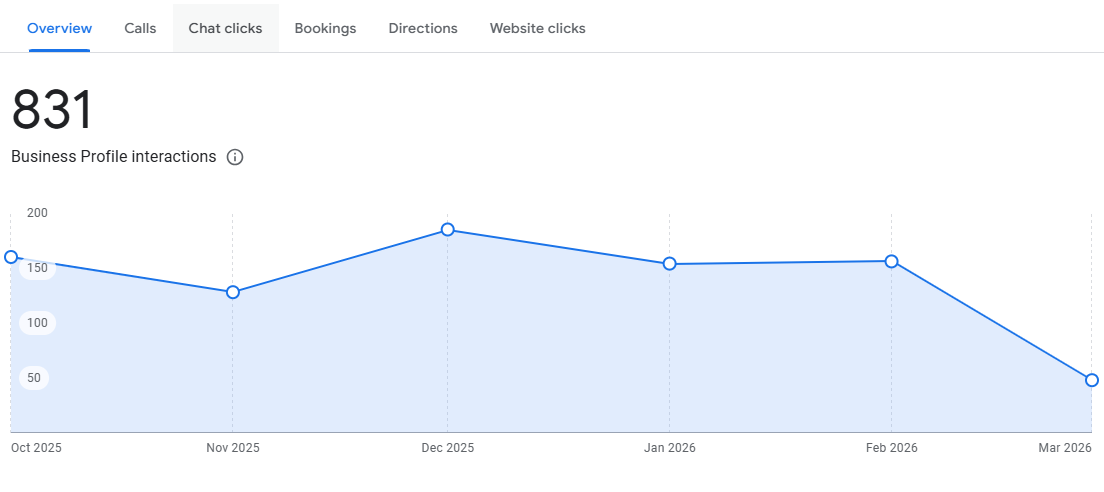
A Situation Many Landscaping Companies Recognize
A mid-sized landscaping company in a suburban local market had a strong start to the year.
By April, they were fully booked with lawn care services, patios, and backyard redesigns. Their landscaping services covered both residential and commercial work, including several commercial landscaping projects for property managers.
Then early summer arrived.
Two large jobs finished. A few smaller projects wrapped up.
Suddenly the calendar had open weeks.
The owner tried purchasing a batch of exclusive landscaping leads from a platform that promised quick lead generation.
The reality?
Most homeowners were also talking to other landscaping companies at the same time.
The conversations quickly turned into price comparisons.
Only one small project came from the effort.
A few weeks later the owner summed up the experience perfectly:
“Some weeks we’re booked solid. Other weeks the phone is quiet and we’re scrambling to fill the schedule.”
That kind of unpredictability is exhausting for any landscaping professional.
And it usually means one thing:
The lead generation system behind the business isn’t fully under control yet.
Why Most Lead Sources Stop Working
The Lead Sources Many Landscaping Contractors Try First
When the phone slows down, most landscaping companies turn to the same handful of lead generation services.
Some can help temporarily.
But many create short spikes in leads rather than a predictable landscaping lead generation system.
Shared Lead Platforms
Platforms like Angi, Thumbtack, and Yelp are often marketed as an easy way to get landscape leads.
The idea sounds simple.
A homeowner submits a request for landscaping services, and contractors can respond.
But there’s a catch.
Most requests are sent to several companies at once.
A single homeowner request may go to three to five landscaping contractors simultaneously.
Instead of having a conversation with a homeowner who already trusts your company, you’re suddenly competing with multiple other businesses.
This environment creates:
- price competition
- rushed quotes
- homeowners collecting bids
Even when platforms advertise exclusive leads, many contractors discover those opportunities are still shared or highly competitive.
Some jobs do come from these systems.
But many contractors find the cost per lead adds up quickly, especially when you pay on a per lead basis without knowing whether the project will close.
The result?
More leads, but not necessarily more revenue.
Agencies That Promise “More Leads”
Another common step is hiring a marketing agency or lead generation company.
Most agencies focus heavily on numbers like:
- website traffic
- impressions
- clicks
- rankings in search engines
Those metrics might look impressive.
But most landscaping business owners care about something much simpler:
Did the marketing produce quality leads that turned into real landscaping customers?
Many agencies struggle to clearly connect their marketing strategy to booked jobs.
Without that clarity, it’s difficult for a business owner to determine whether the investment is producing results.
Trade Shows and Local Events
Some contractors invest in trade shows, local events, or booths at home improvement stores.
These can help introduce a landscaping company to new potential clients.
But they typically produce short bursts of attention rather than consistent lead generation.
Once the event ends, the new leads usually stop.
Referrals
Referrals are still incredibly valuable.
Happy customers recommending your work to local homeowners can produce excellent quality leads.
Many landscaping businesses grow initially through word of mouth referrals.
But referrals have one limitation.
They’re unpredictable.
Some months several projects appear at once.
Other months none arrive.
Referrals are powerful — but they rarely scale enough to support a growing lawn care business or expanding commercial landscaping operation.
PPC Without Proper Tracking
Many companies eventually try running Google Ads.
When set up correctly, Google Ads can absolutely help generate landscaping leads.
But landscaping keywords can become expensive quickly.
Without proper tracking, it’s easy to spend thousands in ad spend without knowing:
- which calls came from targeted ads
- which jobs resulted from those leads
- whether the cost produced positive revenue
For many contractors, advertising begins to feel like gambling.
Not a reliable lead generation system.
A Thought Leader Perspective
One marketing strategist in the home service industry explained the situation simply:
“Contractors don’t need more random leads. They need control over a system that consistently puts them in front of homeowners already searching for their services.”
Most marketing tactics produce occasional leads.
Very few create a predictable landscaping lead generation process.
That’s why so many companies experience the same cycle of busy months followed by slow ones.
Where Landscaping Leads Actually Come From Today
Homeowners Search Google When They’re Ready to Hire
Today, most landscaping leads start the same way.
A homeowner opens Google.
They search for something like:
- landscaping companies near me
- lawn installation near me
- backyard landscaping contractor
- landscape design services near me
These searches happen when people already know they want help.
They’re not browsing.
They’re ready to talk with a landscaping company.
That’s why visibility in local search results matters so much.
When a landscaping business appears at the moment someone searches, the chances of converting leads into booked work increase dramatically.
Research across the home service industry shows that homeowners performing local service searches often contact a contractor the same day.
In other words:
These aren’t casual clicks.
They’re potential customers ready to hire.
Google Maps Has Become the Modern Local Billboard
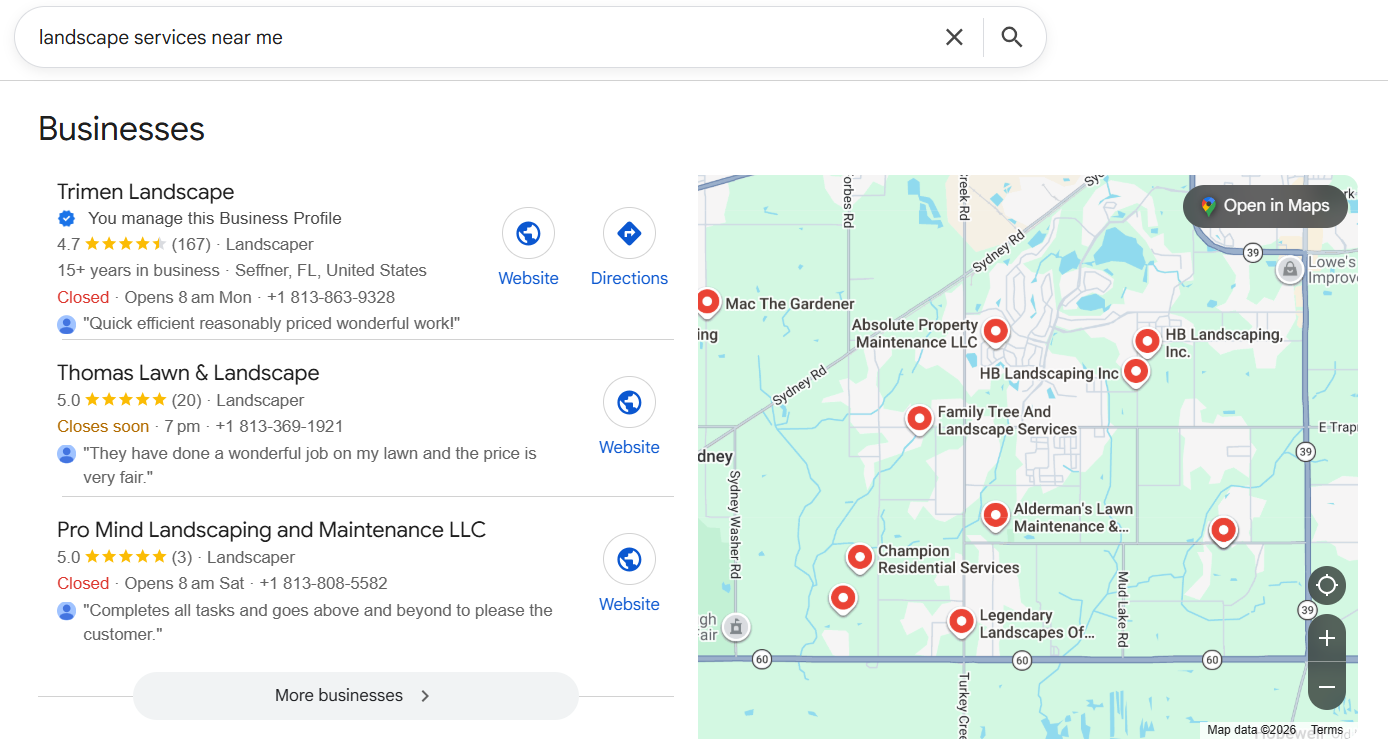
When someone searches for landscaping services today, one of the most important areas on the page is the Google Maps section.
This area highlights local companies along with key trust signals:
- review ratings
- photos of past work
- company details
- click to call buttons
For many homeowners, this section functions like a digital billboard.
Companies with strong profiles in Google Business Profile often receive the majority of calls.
A strong profile includes:
- a complete service area
- photos of completed landscaping projects
- accurate descriptions of services
- a steady flow of customers who leave reviews
Encouraging satisfied customers to leave reviews is one of the most powerful ways to improve visibility.
A Landscaping Case Example
One landscaping company serving both residential clients and commercial landscaping contracts struggled with inconsistent work.
Most projects came from referrals.
Busy months were followed by quiet ones.
The company decided to improve its Google Business Profile.
They added project photos, updated service descriptions, and encouraged satisfied customers to leave reviews after completed jobs.
Within several months:
- the company surpassed 150 reviews
- visibility in local search results improved
- inbound calls from potential clients increased
Instead of relying entirely on referrals, they began receiving steady quality landscaping leads directly from homeowners searching online.
The key change wasn’t buying more exclusive leads.
It was improving visibility where homeowners were already searching.
How Visibility Turns Into Real Phone Calls
The Lead Generation Chain Most Contractors Don’t See
For many contractors, lead generation feels mysterious.
But in reality, the process that produces consistent landscaping leads is straightforward.
It follows a simple chain:
Visibility → Trust → Call → Job
Here’s what actually happens.
- A homeowner decides they want landscaping work done.
- They search Google for companies in their location.
- They compare several landscaping companies.
- They look at reviews, photos, and service descriptions.
- They contact the company that feels most trustworthy.
Visibility attracts potential customers.
Trust converts them into calls.
Calls turn into projects and revenue.
Why Some Landscaping Companies Get the Calls First
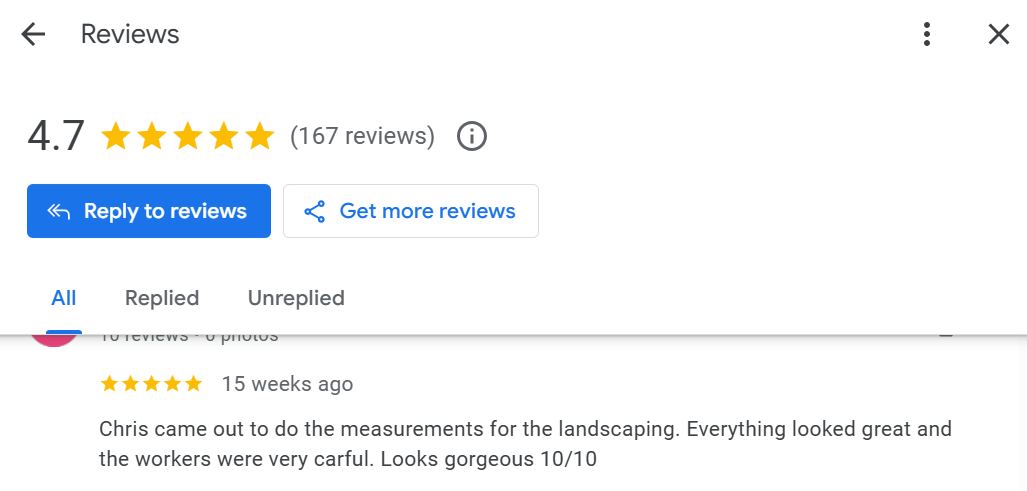
When homeowners compare options online, they usually look for a few clear trust signals.
These signals help them decide which landscaping professional they should call.
The most important ones include:
- number of reviews
- review rating
- photos of completed landscaping projects
- clear descriptions of services
- fast response times
A company that appears credible often receives the first call.
And the first call often wins the job.
One contractor described the difference after improving their visibility.
Previously, their lawn care and commercial landscaping leads came mostly from referrals and occasional Google Ads campaigns.
After building a stronger online presence — including a professional website, better reviews, and a well optimized Google Business Profile — the pattern changed.
Instead of chasing free leads or shared lawn care leads, the company began receiving consistent high quality leads from homeowners actively searching for help.
Those leads you need are very different from random inquiries.
They come from people already planning real projects.
Predictable landscaping lead generation doesn’t happen by chasing every new marketing tactic.
It happens by building a lead generation system that consistently places your company in front of homeowners when they search.
The question most contractors ask next is simple:
How do you actually build a system that produces reliable landscaping leads instead of random spikes in work?
That’s exactly what we’ll explore in the next section.
The Hector 6-Step Predictable Landscaping Lead System
Predictable landscaping leads do not come from one good month, one ad campaign, or one batch of purchased leads.
They come from a structured lead generation system.
A growing landscaping business needs a repeatable way to attract homeowners, bring in quality leads, and turn those inquiries into booked work and steady revenue. Many landscaping contractors try disconnected tactics. A better approach is to build the system in the right order.
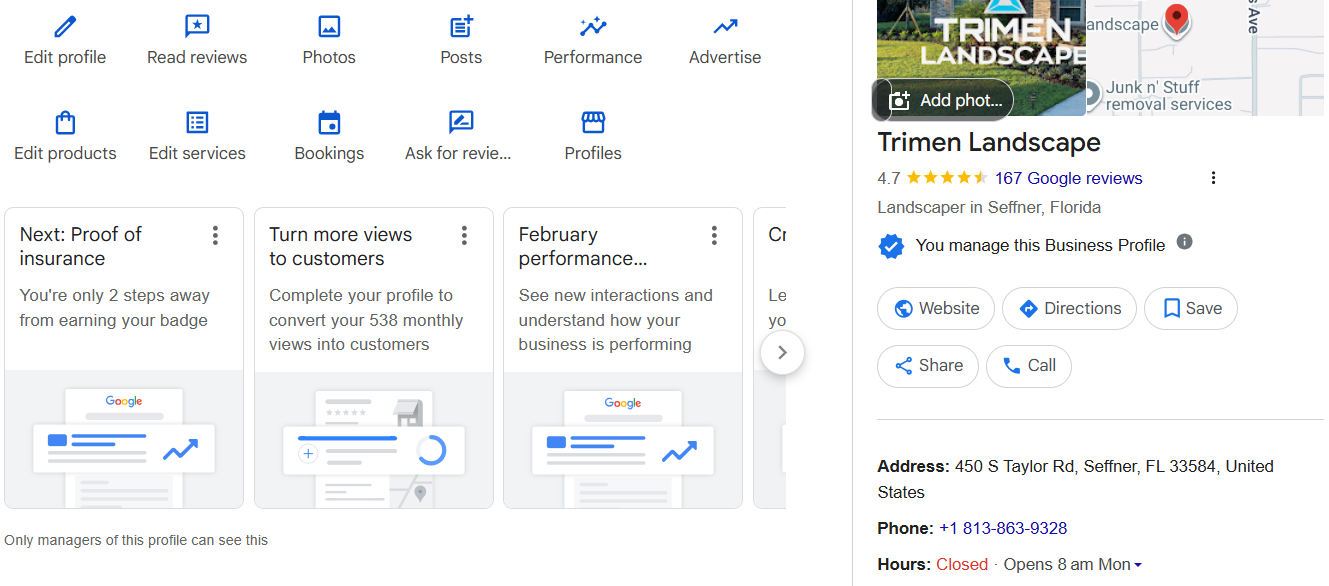
Step 1: Optimize Your Google Business Profile
For many landscaping companies, the Google Business Profile is one of the biggest drivers of landscape leads.
When homeowners search on Google, your profile often appears before your website. That means it directly affects whether your company gets the call.
A strong profile should include:
- the right categories for your landscaping services
- a defined service area
- updated contact details
- clear descriptions of your services
- photos of completed landscaping projects
- proof of residential and commercial landscaping work if relevant
This is one of the fastest improvements a landscaping company can make.
Step 2: Build Consistent 5 Star Reviews
Reviews influence visibility, trust, and call volume.
They help your landscaping company stand out in local search results and show potential customers that real people had a good experience with your work. In landscaping lead generation, that trust matters.
After completed jobs, encourage satisfied customers to leave reviews while the experience is fresh. You do not need a flood of reviews. You need consistency.
That consistency helps:
- improve rankings
- increase trust
- support conversion
- strengthen credibility with homeowners and property managers
Step 3: Launch Local Services Ads for Faster Traction
If SEO is the compounding part of the system, Local Services Ads can create faster traction.
For some trades, this is one of the quickest ways to bring in new leads while the rest of the system builds. It is useful when a landscaping business needs to fill open capacity or support a new service area.
Why contractors like LSAs:
- they appear at the top of Google
- they create visibility fast
- they work on a per lead basis
- they can produce exclusive leads more often than shared platforms
This often gives you a better shot at real conversations with potential clients. A typical traction timeline is 1–3 weeks when setup is handled correctly.
Step 4: Build a Local SEO Website
Your website should do more than look professional.
It should help generate landscaping leads.
A strong local website gives your landscaping company a place to target the services and project types that matter most to your business, including:
- landscaping services
- lawn care
- lawn installation
- patio construction
- backyard design
- drainage work
- commercial landscaping
It should also help potential customers quickly understand what you do, where you work, and why they should trust your company.
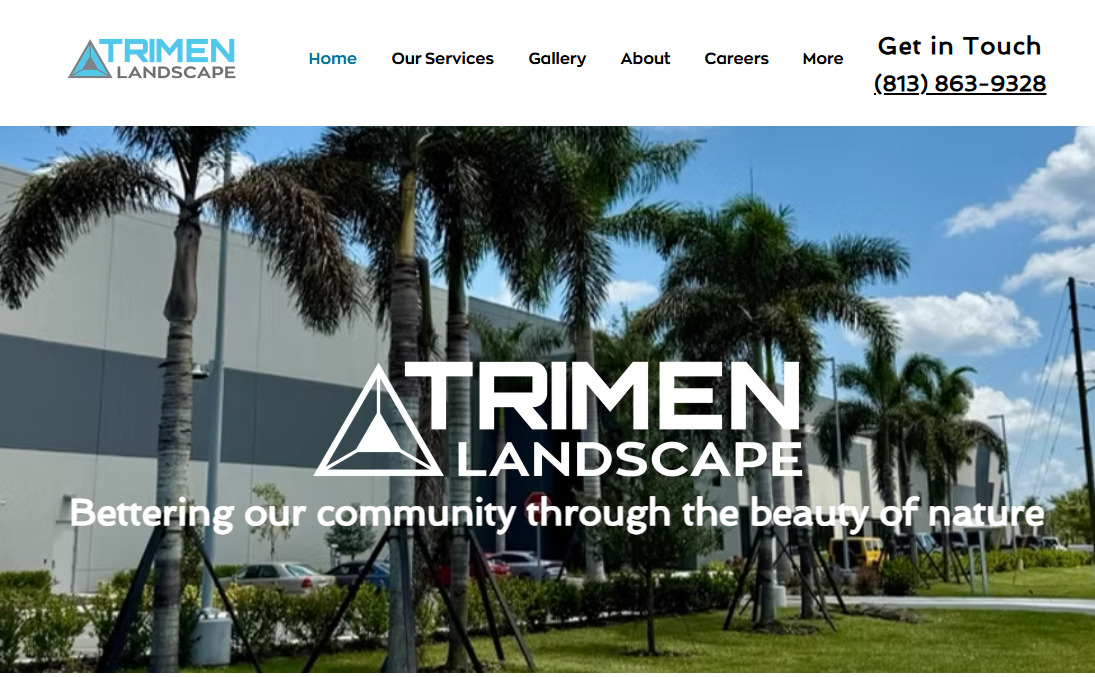
This is where a professional website matters. If your landscaping business wants more installs, more recurring lawn care services, or more commercial landscaping leads, the site should reflect that clearly.
Step 5: Ongoing SEO for Compounding Growth
This is the part many contractors do not fully trust, and that skepticism is understandable.
A lot of SEO has been sold around rankings and traffic without tying the work to booked jobs.
But done properly, SEO is a long term lead generation system that helps your landscaping company show up more often in search engines when local homeowners are ready to hire.
A realistic timeline looks like this:
- 2–4 months visibility improves
- 4–6 months rankings stabilize
- 6–12 months landscaping leads become more consistent
That is why SEO works best inside a broader marketing strategy. Over time, it can attract more of the leads you need, reduce dependency, and support stronger average revenue.
Step 6: Strategic PPC as a Support Tool
Paid ads still have a place.
But for most landscaping contractors, PPC works best as a support tool, not the foundation.
That means using Google Ads for:
- expanding into a new location
- covering seasonal demand spikes
- filling open crew capacity
- testing a new service
- adding more commercial landscaping leads
This is where targeted ads can help. But PPC works better after the core local visibility system is in place. Otherwise, contractors often create temporary activity with too much ad spend and unclear return.
Used carefully, Google Ads can drive traffic and support short term demand. Used poorly, they create cost without enough clarity.
A Landscaping Case Example
One landscaping company in a growing suburb had relied on referrals, occasional Google Ads, and a few local events to stay busy.
The owner stopped treating marketing like random experiments and built a real lead generation system instead.
They improved their Google Business Profile, added pages for residential and commercial landscaping, requested reviews consistently, and supported growth with selective Google Ads.
Over time, the company saw steadier inquiries from homeowners searching for their services. They also began getting better fit commercial landscaping leads that were more likely to become repeat work and long term contracts.
That is what real landscaping lead generation looks like.
Not spikes. A system.
FAQs
Why do landscaping leads feel inconsistent throughout the year?
Part of it is seasonality. Demand for landscaping, lawn care, and outdoor improvement work naturally rises and falls.
But seasonality is only half the story.
The bigger issue is that many businesses still rely on referrals, purchased leads, trade shows, or occasional ads instead of a true lead generation system. When those sources fluctuate, the calendar fluctuates too.
How do landscaping companies get more landscape leads?
The most reliable answer is not “buy more.”
It is to become easier to find and easier to trust.
That usually means:
- showing up in Google
- improving your Google Business Profile
- building service specific pages
- collecting more reviews
- following up quickly with potential customers
That is the foundation of how to get leads for landscaping consistently.
Are shared landscape leads worth buying?
Sometimes they can fill a short term gap.
But most landscaping contractors already know the downside: competition, price shopping, and inconsistent close rates.
If you buy them, treat them as a temporary supplement. Do not build your business around them.
Many contractors chasing free landscaping leads or low cost shared inquiries eventually learn the same lesson: free leads often become expensive once you factor in time, missed estimates, and low close rates.
How long does it take to generate landscaping leads with SEO?
Usually a few months before momentum starts showing clearly.
A realistic range is:
- 2–4 months for early visibility gains
- 4–6 months for stronger local movement
- 6–12 months for more consistent results
What is the best way to get leads for landscaping consistently?
The best answer is to build a system around visibility, proof, tracking, and follow up.
That means:
- a strong Google Business Profile
- a steady review process
- a site built around the right landscaping services
- smart use of Google Ads
- clear tracking from inquiry to booked work
That is how landscaping companies move from random leads to predictable opportunities.
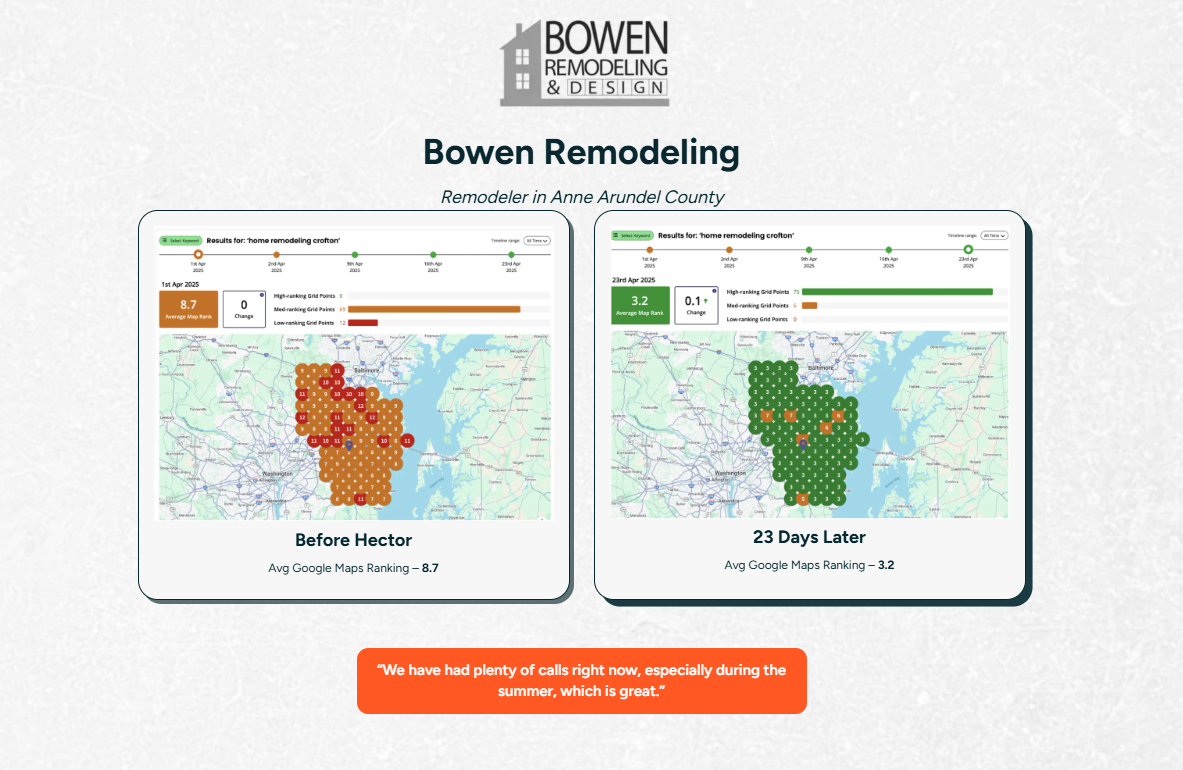
Where Hector Fits
Hector is not trying to be another lead generation company that sells contractors a vague promise of “more calls.”
The goal is to help build long term infrastructure for landscaping lead generation.
That means focusing on:
- Google Maps visibility
- review generation
- call tracking tied to real jobs
- reporting that makes sense to owners
- systems built around booked work and ROI
A lot of contractors have already experienced what happens when a vendor focuses only on traffic, vanity numbers, or a generic marketing strategy.
It creates activity without enough clarity.
Hector’s view is simpler:
Predictable growth does not come from renting attention forever. It comes from building assets that help your company get found, trusted, and chosen consistently.
That is why the focus stays on owned visibility, not dependency.
Not random lead generation services. Not endless batches of purchased exclusive leads. Not dashboards full of noise.
Just the pieces that help a landscaping business create more control over its lead flow, improve follow up, and turn more inquiries into booked work.
Closing Story From the Field
One landscaping company built a strong reputation through word of mouth referrals, repeat customers, and a few local events.
But every season the same pattern happened. A few large landscaping projects would finish, the schedule opened up, and the owner started searching for quick fixes — buying lawn care leads, testing Google Ads, or hoping referrals returned.
None of it created real control.
The turning point came when the owner focused on building a system instead of chasing more leads.
They improved visibility in Google, refined their service area, collected more reviews, and clarified their services so the right potential clients could find them.
Over time, landscaping leads became steadier and scheduling became easier.
That’s the real goal — not just more leads, but the right landscaping leads for your business.
A Simple Next Step
If your landscaping leads still feel inconsistent, it may be time to look at the system behind them.
Are you visible in local search results?
Is your Google Business Profile bringing in calls?
Are your Google Ads generating quality leads that turn into real jobs?
The real issue is rarely just getting more leads. It’s whether your lead generation helps attract the right customers, support your lawn care or commercial landscaping work, and grow your revenue.
Sometimes small improvements help too, better follow up, simple email marketing campaigns, updates on social media platforms, and stronger credibility with local businesses.
If you want a clearer picture of what’s working and where more predictable landscaping leads could come from, it may be worth taking a closer look. No pressure — just clarity.