
How to Get Water Damage Leads Without Relying on Shared Lead Platforms?
Water damage leads are potential customers who need immediate help with water damage restoration, cleanup, or repair services. Homeowners and property managers often search online for solutions after issues like burst pipes, flooding, roof leaks, or appliance failures cause water damage.
Restoration companies that rank in search results for terms such as water damage restoration, emergency water cleanup, and flood damage repair attract the majority of these high intent customers. By using strategies like local SEO, Google Ads, and optimized service pages, contractors can capture qualified water damage leads and connect with homeowners who need fast and reliable restoration services.
But they get some issues like that.
“We Paid for 12 Leads and Only Booked One Job”
Most restoration contractors running a water damage restoration business have experienced a version of this.
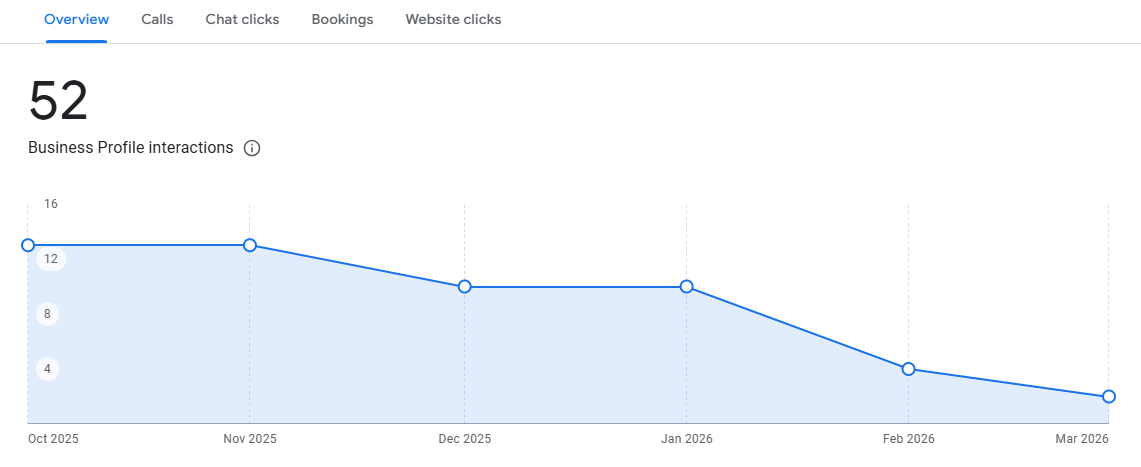
Work slows down for a couple weeks. The phone calls stop coming in like they usually do. Crews are asking what’s next, and the team starts wondering when the next job will arrive.
So the owner decides to try buying water damage leads or restoration leads from a platform like Angi, HomeAdvisor, or Thumbtack.
The dashboard looks promising.
Ten leads come through.
Then two more.
At first it feels like momentum for the business.
But after the first few calls, something becomes obvious.
The homeowner isn’t just talking to you.
They’re talking to three or four other water damage restoration companies at the same time.
The conversation quickly turns into:
“What’s your price?”
“How soon can you be here?”
“Another company said they can do it cheaper.”
Instead of dealing with a homeowner who needs immediate assistance for a flooded basement or burst pipe, you’re suddenly in a race against other restoration companies for the same lead.
And many of those water damage leads never turn into real projects.
Some homeowners disappear.
Some pick the lowest price.
Some were just gathering quotes from multiple contractors.
Meanwhile, you’ve already paid for the lead.
For many restoration businesses, this creates a frustrating cycle:
• You spend money on water damage restoration leads
• Your team chases estimates that go nowhere
• And the crews still end up waiting for the next real job
The hard truth most contractors eventually realize is this:
The problem usually isn’t your reputation, your response time, or the quality of your professional restoration services.
The problem is the lead source itself.
Why Most Water Damage Lead Sources Stop Working Over Time
Many water damage restoration businesses try a mix of marketing options over the years.
Some of them work for a while.
But very few create consistent water damage lead generation systems that produce a steady stream of qualified leads month after month.
Let’s break down why.
Shared Lead Platforms Create Price Competition
Platforms like Angi, HomeAdvisor, and Thumbtack promise access to homeowners searching for water damage restoration services.
And sometimes they do deliver damage leads.
But the business model behind these platforms creates a problem for restoration contractors.
Most water damage leads are sent to 3–5 restoration companies at the same time.
That means the homeowner often receives calls from several contractors within minutes.
Instead of choosing based on trust, reviews, or expertise, the conversation quickly shifts toward price, availability, and cost.
For emergency water damage restoration, this often turns into a bidding environment.
Contractors who have spent years building a strong restoration business suddenly find themselves competing with companies willing to cut corners just to win the job.
Over time, many contractors realize something important:
These platforms don’t reward the best water damage restoration company.
They reward whoever responds fastest or offers the lowest price.
Google Ads Can Burn Through Budget Quickly
Many restoration companies try Google Ads after getting frustrated with shared restoration leads.
The logic makes sense.
If homeowners are searching for things like:
• “water damage restoration near me”
• “emergency water extraction”
• “flood cleanup service”
• “water damage services near me”
Then advertising in Google search results should generate water damage restoration leads.
And sometimes it does.
But water damage restoration keywords are some of the most expensive in the industry.
Clicks can cost a significant amount of money, especially in metro areas.
The real challenge isn’t just the cost.
It’s the lack of clarity around lead generation performance.
Many agencies report numbers like:
• impressions
• clicks
• website traffic
But those numbers don’t tell you what most business owners care about:
How many water damage leads turned into jobs?
Without strong lead tracking, it’s easy to spend thousands on Google Ads without knowing which leads actually produced revenue.
Referrals Are Valuable But They Don’t Create Consistent Lead Flow
Most successful restoration businesses were built on relationships.
Past customers recommend you.
Property managers call when tenants flood a unit.
Insurance adjusters keep your number saved.
These relationships are valuable.
But referrals follow a pattern most contractors know well.
Some months the phone won’t stop ringing.
Other months it’s quiet.
water damage repair services are often triggered by unpredictable events:
• storms
• frozen pipes
• appliance failures
• plumbing leaks
• unexpected water damage
That means referral-driven business growth often comes in waves.
You can’t control when the next emergency happens.
Trade Shows and Networking Create Spikes Not Systems
Some restoration companies also try trade shows, local community networking, or industry events.
These can help build brand awareness.
You might meet potential clients, property managers, or local homeowners.
But these efforts typically produce occasional opportunities, not a predictable lead generation process.
You might get a few jobs.
Then things slow down again.
They create spikes — not a system for consistent lead acquisition.
The Real Problem: Contractors Don’t Control the Lead Flow
When you look at all these lead generation efforts together, a pattern becomes clear.
With most of them, the contractor isn’t actually in control.
• Lead platforms control who gets the lead
• Agencies control the marketing data
• Referrals control when potential customers appear
The contractor is left reacting instead of planning.
And that’s the core challenge facing many water damage restoration businesses.
Spikes in leads are not the same as a system.
Without a system, it’s difficult to build predictable business growth, stable revenue, and a steady flow of water damage restoration leads.
Where Water Damage Leads Actually Come From Today
The good news is homeowners haven’t stopped searching for water damage restoration services.
In fact, they search faster than ever.
When a Pipe Bursts, Homeowners Go Straight to Google
Water damage is almost always urgent.
When a basement floods or a pipe bursts, homeowners have an immediate need for help.
They search Google instantly.
Typical Google search results include phrases like:
• water damage restoration near me
• emergency water extraction service
• water mitigation company
• flood cleanup company
These are high intent searches.
These homeowners need immediate assistance.
Which means they are far more likely to become valid leads and paying customers.
Google Maps Is the Modern Billboard for Restoration Contractors
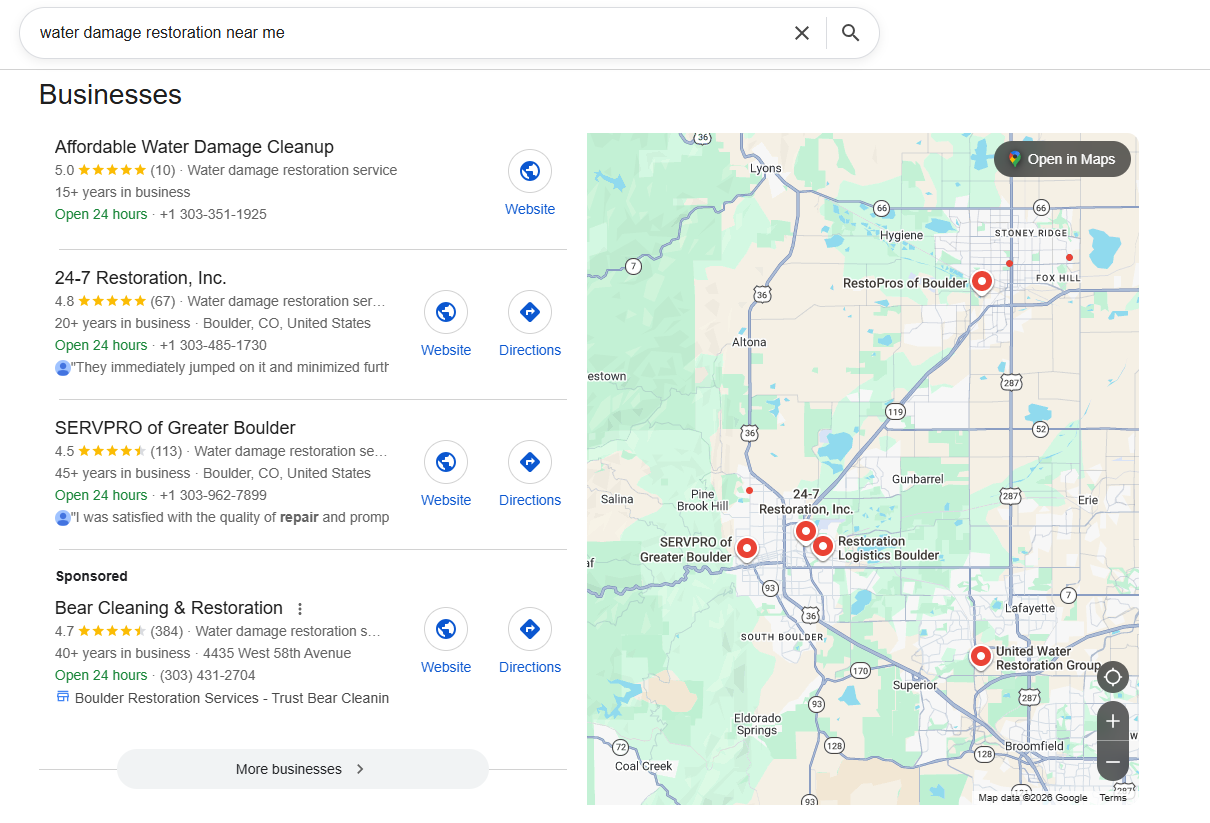
When someone searches for water damage restoration, one thing almost always appears at the top of the search results.
The Google Business Profile listings.
These map listings show:
• nearby water damage restoration companies
• review ratings
• phone numbers
• directions
• service area information
For many homeowners, this becomes the decision point.
Companies that appear prominently in Google search results often receive the first call.
That’s why Google Maps visibility has become one of the most powerful sources of water damage leads.
Reviews and Proof Win the Job Before the Phone Call
When a homeowner compares restoration companies, they look for signals of quality.
They look at:
- review count
- star ratings
- photos of water damage restoration work
- service descriptions
- proof of professional restoration services
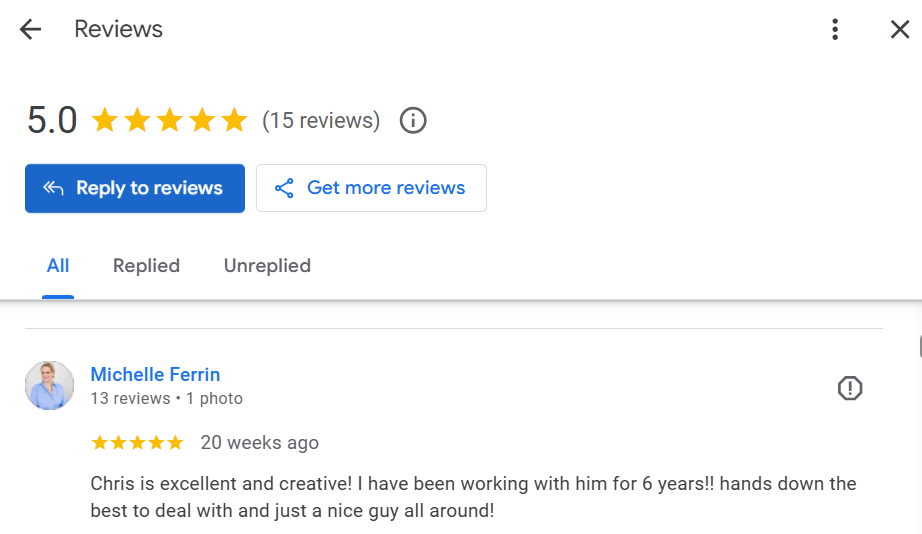
A company with strong reviews immediately builds trust.
And that trust often determines who receives the call first.
For restoration businesses, reviews play a major role in water damage lead generation.
How Visibility Turns Into Real Water Damage Phone Calls
There is a simple chain behind most water damage restoration leads.
Homeowner experiences water damage
They search Google
Your Google Business Profile appears
They see strong reviews
They call
You book the job
That’s the real lead generation process behind modern water damage restoration companies.
The Hector 6-Step Predictable Water Damage Lead System
Reliable lead generation is never built from one tactic.
It comes from a marketing strategy where multiple systems work together.
When contractors rely on one source — shared leads, referrals, or ads — the phone will always feel unpredictable.
But when Google visibility, SEO, and reputation signals work together, the business starts attracting high quality leads consistently.
Step 1: Optimize Your Google Business Profile
For many water damage restoration companies, the Google Business Profile is the biggest driver of water damage leads.
An optimized profile helps your restoration business appear when homeowners search for emergency help.
Key elements include:
- accurate water damage restoration services
- clear service area coverage
- indication of 24/7 emergency availability
- photos showing water extraction, drying equipment, and completed work
Optimizing your Google Business Profile often produces the fastest improvement in lead generation.
Step 2: Build Consistent 5-Star Reviews
Reviews help your restoration company in two ways.
They improve visibility in search results.
And they build trust with potential customers.
Homeowners looking for water damage restoration services typically choose companies with:
- many reviews
- recent reviews
- strong star ratings
Companies with 150+ reviews often receive significantly more water damage leads.
Step 3: Launch Local Services Ads
Google Local Services Ads help generate water damage restoration leads quickly.
These ads appear above normal Google Ads results.
They include:
- review ratings
- Google Guaranteed badge
- direct call buttons
For many restoration contractors, LSAs provide early traction while longer-term SEO strategy builds momentum.
Step 4: Build a Local SEO Website
Your website helps capture additional water damage leads from organic search results.
Strong sites include pages targeting:
- water damage restoration
- water extraction
- flood cleanup
- mold remediation
- emergency water mitigation
This helps your restoration business appear when homeowners search for help directly.
Step 5: Ongoing Search Engine Optimization
Search engine optimization (SEO) builds long-term lead generation growth.
A typical SEO timeline looks like:
2–4 months: visibility improvements begin
4–6 months: rankings stabilize
6–12 months: more water damage leads begin compounding
Instead of relying on one lead source, contractors start seeing calls from:
• Google Maps
• organic search engine optimization traffic
• Local Services Ads
This creates a steady stream of qualified leads.
Step 6: Strategic Google Ads
Google Ads still have a place in restoration marketing strategy.
But they work best when layered on top of strong SEO, reviews, and Google visibility.
Some companies use ads during:
• storm seasons
• expansion into new service areas
• hiring additional crews
Used strategically, they can help generate more leads, more jobs, and additional revenue.
FAQs
How can restoration companies generate more water damage leads?
Restoration companies typically generate more water damage leads by improving their visibility in Google Maps, optimizing their Google Business Profile, and appearing in local search results for emergency services like water extraction and flood cleanup. When homeowners search for immediate help, the companies that appear first in Google usually receive the most calls and inquiries.
What are the best sources of high-quality water damage leads?
The most reliable sources of high-quality water damage leads often come from Google search, Google Maps listings, and Local Services Ads. These channels connect restoration companies with homeowners who are actively searching for water damage restoration services and need immediate assistance.
Why are shared water damage leads often less effective?
Shared water damage leads are often less effective because the same homeowner request is sent to multiple restoration companies at once. This usually creates price competition between contractors and reduces the chances of booking the job, since several companies are trying to contact the same potential customer.
How do water damage restoration companies turn leads into booked jobs?
Successful water damage restoration companies focus on building trust before the call even happens. Strong Google reviews, clear service information, and visible experience with water damage restoration services help convince homeowners to choose one company over others. When these trust signals are in place, leads are much more likely to turn into real booked jobs.
Where Hector Fits In
Many restoration contractors understand the importance of visibility.
But they struggle with building the lead generation system behind it.
That’s where Hector helps.
The goal isn’t just traffic.
The goal is helping water damage restoration businesses build a system that consistently generates water damage restoration leads, connects them with potential clients, and converts them into customers.
That means focusing on:
• strong Google Business Profile visibility
• consistent review growth
• clear lead tracking
• reporting tied to real jobs
The result is simple.
Not random leads.
But predictable water damage leads that support long-term business growth.
A Story From the Field
A restoration contractor in a mid-sized market had been operating for nearly a decade.
Most of their work came from referrals and occasional insurance relationships.
During heavy rain seasons the phone rang constantly.
But during slower months the schedule thinned out.
To fill the gaps, they began buying shared leads.
Some turned into jobs.
Many didn’t.
They were spending money but couldn’t clearly see what was working.
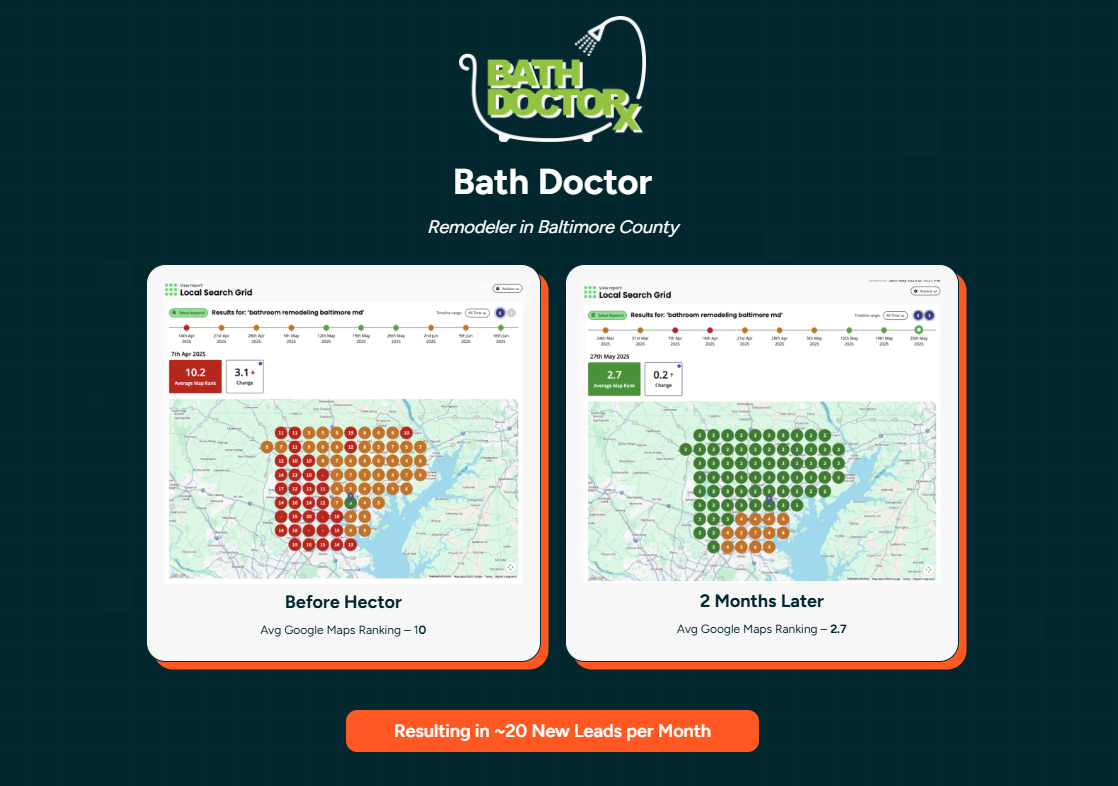
Eventually they shifted focus toward building their own visibility.
They improved their Google Business Profile, began requesting reviews consistently, and focused on appearing in local search results for water mitigation services.
Over time, the difference became clear.
Instead of waiting for the next referral or buying another batch of leads, the phone started ringing from homeowners who had found them directly on Google.
A Contractor Story: When the Phone Started Ringing Again
One restoration contractor we spoke with described a similar shift.
For years, most of their water damage work came through insurance relationships and referrals from past customers. But whenever those sources slowed down, they turned to shared lead platforms to keep their crews busy.
Some of those leads turned into small water mitigation jobs. Many didn’t. Often the homeowner had already spoken to three or four other restoration companies by the time they returned the call.
The owner said the most frustrating part wasn’t losing the jobs — it was never knowing which marketing efforts were actually working.
After focusing on improving their Google presence — updating their Google Business Profile, collecting more reviews, and improving their local search visibility — something started to change.
Instead of chasing the same shared leads as other contractors, homeowners began calling them directly.
Many of those calls came from people dealing with flooded basements, leaking pipes, or unexpected water damage who simply searched Google and chose the company that looked most trustworthy.
Within a few months, the contractor noticed something different about the conversations.
They weren’t competing on price as often.
Homeowners were calling them first.
The biggest realization wasn’t about marketing tactics.
It was about control.
They weren’t chasing leads anymore.
They had built a system that produced them.
Want to Understand What’s Actually Driving Your Water Damage Leads?
Many restoration contractors assume their marketing is working… until the phone slows down.
Sometimes the issue isn’t the quality of the work.
It’s visibility.
If you’re not sure where your water damage leads are actually coming from, it can help to step back and look at a few things:
- How visible your company is in Google Maps
- How strong your review profile is compared to competitors
- Whether your website appears for key water mitigation searches
- Whether your calls and leads are actually being tracked
Once you understand those pieces, the path forward becomes much clearer.
If you ever want a second perspective on that, we’re always happy to talk it through.
No pressure.
Just a conversation about what might actually move the needle for your business.
Related Posts: