
Pest Control Leads for Contractors Who Want More Booked Jobs
Pest control leads are potential customers who need professional help to eliminate pests such as termites, rodents, ants, bed bugs, and cockroaches. Homeowners and businesses usually search for pest control services when infestations threaten property, health, or sanitation.
Most customers start this process online by searching for terms like pest control near me, termite treatment, or local exterminator services. Pest control companies that appear in search results, local map listings, and paid ads capture the majority of these high intent inquiries. This article explains what pest control leads are, why many companies struggle with inconsistent inquiries, and how pest control businesses can use local SEO, targeted advertising, and optimized service pages to generate steady leads and grow their customer base.
The Frustrating Reality Many Pest Control Owners Deal With
“We Paid for 12 Leads and Only Booked One Job”
If you run a pest control business, you’ve probably had a moment like this.
You sign up for a lead platform promising pest control leads. Maybe it’s Angi, Thumbtack, or one of the many lead generation companies targeting the pest control industry. They promise more leads, better visibility, and a steady stream of potential customers.
A few weeks later, the report looks good.
You received 12 pest control leads.
But when you look at your calendar… only one job was booked.
The rest?
- One homeowner already hired someone else
- Two never answered the phone
- Several were talking to multiple companies at once
- One just wanted the cheapest quote
Suddenly those “leads” don’t feel very valuable.
Instead of high quality leads, you’re dealing with price shoppers.
Instead of predictable lead generation, you’re hoping one or two calls turn into real work.
For many pest control providers, this becomes a cycle:
You try a new lead generation service, spend money, and hope it works.
But the connection between marketing efforts and actual jobs remains unclear.
The frustration usually sounds something like this:
“Most of the leads we bought were shopping around. We’d call them and find out three other exterminators already had.”
And when those leads don’t convert, the leads cost suddenly feels a lot higher than expected.
What most owners want isn’t just more pest control leads.
They want quality leads — homeowners who actually need help and are ready to hire.
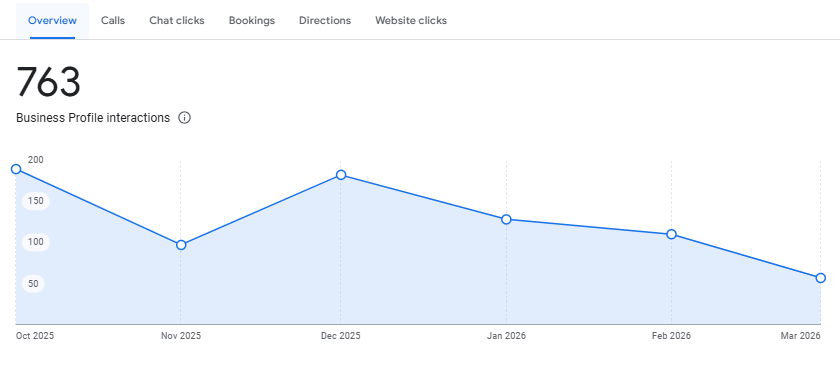
Because the difference between random pest control leads and high quality pest control leads is the difference between a marketing expense and real business growth.
And this problem shows up across nearly every type of job:
- Termite treatment requests
- Rodent infestations in attics and crawlspaces
- Mosquito control for backyard gatherings
- Bed bug treatment for apartments and rentals
- Recurring general pest control plans
The homeowner may genuinely need pest control services.
But if that lead is shared with four other contractors, you’re suddenly competing on price instead of trust.
That’s where many pest control companies start to question the entire idea of pest control lead generation.
Why Most Pest Control Lead Sources Stop Working Over Time
The reality is that most lead generation strategies in the pest control industry are designed to create activity — not predictability.
They may generate a short burst of leads, but they rarely create a system that produces consistent pest control leads month after month.
Let’s look at the most common marketing methods pest control companies rely on — and why they often break down.
Shared Lead Platforms Create Price Shopping
Platforms like Angi, HomeAdvisor, and Thumbtack are built around one core idea:
Send the same lead to several contractors at once.
That means when a homeowner requests pest control services, the request might go to three or four exterminators in the same service area.
The homeowner receives several calls.
Contractors race to respond first.
And before long, the conversation becomes about price.
Not reputation.
Not expertise.
Just price.
For a pest control company trying to build a strong local brand, this environment makes it hard to win anything but the lowest-margin work.
Instead of building a steady pipeline of exclusive pest control leads, you’re competing for attention in a crowded race.
These systems can sometimes produce a few jobs.
But they rarely create predictable pest control leads.
Google Ads Can Become Expensive Without Clear Tracking
Many pest control companies turn to PPC advertising next.
And to be fair, online advertising through Google can generate calls quickly.
If someone searches:
- pest control near me
- termite treatment near me
- bed bug exterminator
…a well-run campaign can create immediate online visibility.
The problem is what happens behind the scenes.
Without proper tracking, many marketing strategies focus on numbers that don’t actually matter:
- clicks
- impressions
- campaign performance reports
But those numbers rarely answer the real question:
Did those pest control leads turn into booked jobs?
Many contractors end up spending thousands per month on PPC advertising, while the marketing cost keeps climbing.
And without proper call tracking, CRM tools, or CRM systems, it becomes almost impossible to measure which leads turned into real revenue.
That’s why many owners eventually say:
“We’re getting leads… but we don’t know which ones actually turn into work.”
Referrals Are Valuable — But Not Predictable
Ask almost any successful pest control business where their best customers come from, and referrals will be near the top of the list.
Referrals often produce:
- high quality pest control leads
- loyal customers
- better close rates
That’s because the homeowner already trusts you.
Many companies even create a referral program to encourage existing customers to recommend them.
And that can absolutely help.
But referrals have one big limitation.
You can’t control when they happen.
One month your company might receive five referral calls.
The next month… none.
That unpredictability makes planning staffing, trucks, and service routes difficult.
Especially for growing businesses trying to bring in new customers consistently.
Referrals are a great supplement.
But they rarely create the kind of lead volume needed for consistent lead generation.
Trade Shows and Home Expos Create Temporary Spikes
Trade shows and home expos have long been part of marketing strategies for local contractors.
And for a new company, they can be a good way to meet homeowners and property managers face-to-face.
You might meet:
- homeowners needing general pest control
- real estate agents dealing with termite inspections
- property managers responsible for apartment buildings
The challenge is that these events produce bursts of activity.
A weekend event might generate a dozen leads.
But once the show ends, those leads disappear.
There’s no ongoing lead generation system behind it.
No ongoing online visibility.
No way to consistently reach homeowners actively searching for pest control help.
And that brings us to the bigger realization many contractors eventually reach.
Random spikes in leads are not the same as a reliable system.
Random spikes ≠ predictable pest control leads.
Where Pest Control Leads Actually Come From Today
If you want to consistently generate pest control leads, the most important place to look is where homeowners actually begin their search.
And today, that place is almost always Google.
Google Search and Google Maps Are the New Billboards
Think about what happens when someone finds a bed bug in their mattress.
Or hears scratching in the attic at 2 a.m.
Or notices termite damage along a baseboard.
They don’t start by browsing social media.
They go straight to Google.
They search:
- pest control near me
- rodent exterminator near me
- termite treatment near me
- bed bug treatment near me
- emergency pest control
These are not casual searches.
These are homeowners actively searching for help.
They are potential customers who already have a problem and want it solved.
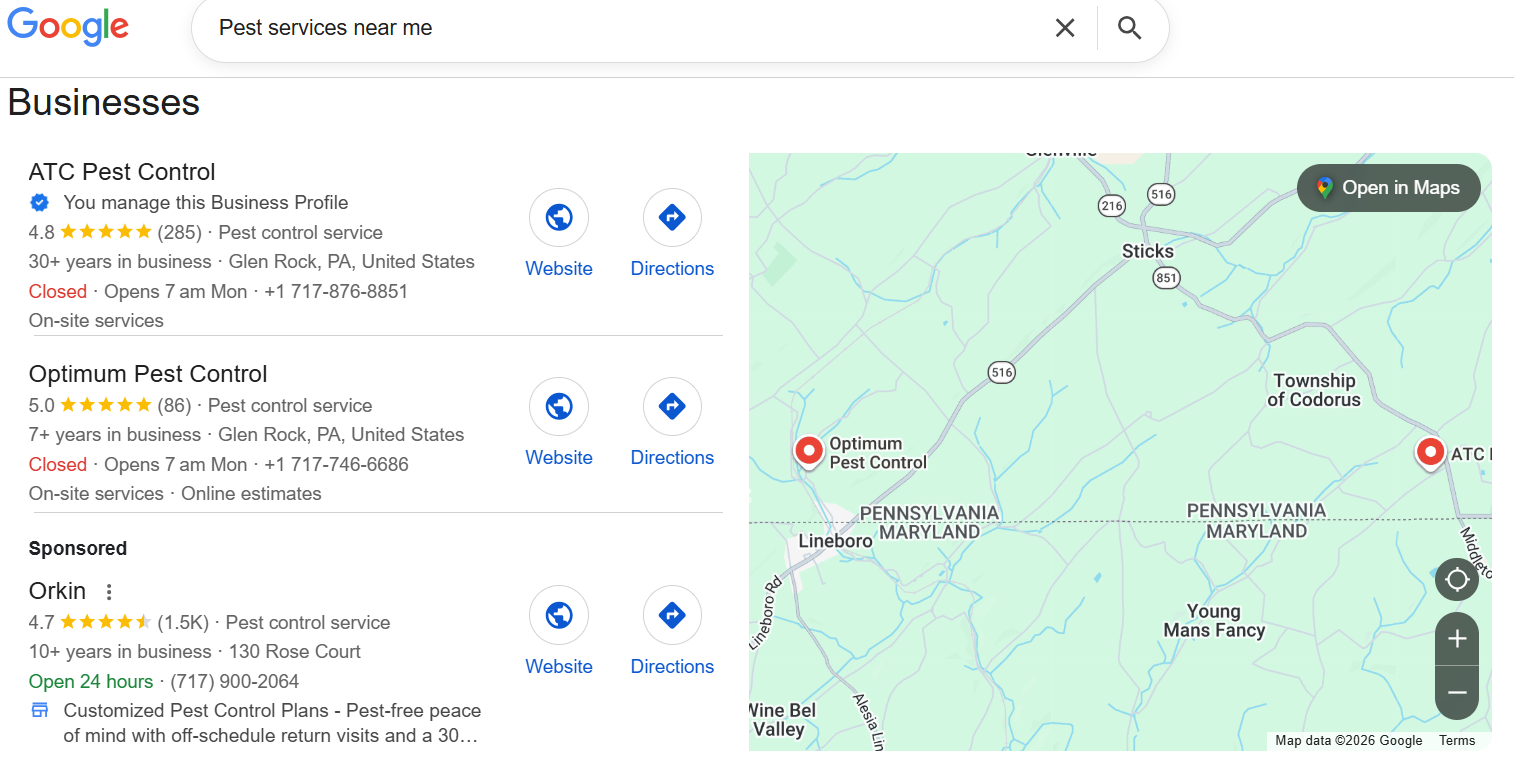
Google Maps and local search results now function like the modern version of a billboard.
Except instead of reaching everyone driving down the highway, they reach homeowners actively searching in your service area.
This is where the best pest control leads are generated.
Because these homeowners are not browsing.
They are ready to hire.
Reviews and Proof Decide Which Exterminator Gets the Call
Once homeowners see the search results, they start comparing.
Typically the top three companies in Google Maps receive most of the attention.
And homeowners evaluate them quickly.
They look at:
- review count
- star rating
- photos of work
- service descriptions
- business hours
- reputation
For a homeowner dealing with ants in the kitchen or a bed bug infestation, trust matters more than anything.
And positive reviews act as instant proof.
In other words, the companies that appear credible get the calls.
And those phone calls turn into high quality leads.
Case Example
Consider a local company that invested heavily in its Google Business Profile.
They focused on:
- collecting consistent online reviews
- adding photos of completed service visits
- clearly listing every pest control service they offer
- updating their business hours and service area
Within several months, they began appearing in the top three results for searches like:
- pest control near me
- termite inspection
- rodent removal
The result?
A steady flow of pest control leads without relying on shared platforms.
Instead of competing with four contractors for the same lead, the homeowner calls them directly.
These become exclusive pest control leads.
And the difference in conversion rate is dramatic.
How Visibility Turns Into Real Phone Calls and Booked Jobs
Understanding where leads come from is only part of the picture.
The next step is understanding how those searches actually turn into real jobs.
The Path From Search to Signed Service Agreement
For most homeowners, the process looks something like this:
- They search Google for a pest problem.
- They review the top companies in Google Maps.
- They read online reviews and look at photos.
- They call the company they trust most.
That phone call is where everything begins.
If the company answers quickly and communicates clearly, that call often becomes an appointment.
Then an inspection.
Then a signed service agreement.
The key point is this:
The best pest control leads are created before the phone even rings.
They come from homeowners who are already actively searching.
And because these homeowners have a real problem, they’re much more likely to move forward.
Why the Best Pest Control Leads Are Intent-Based
Not all leads are created equal.
Some leads are casual.
Others are urgent.
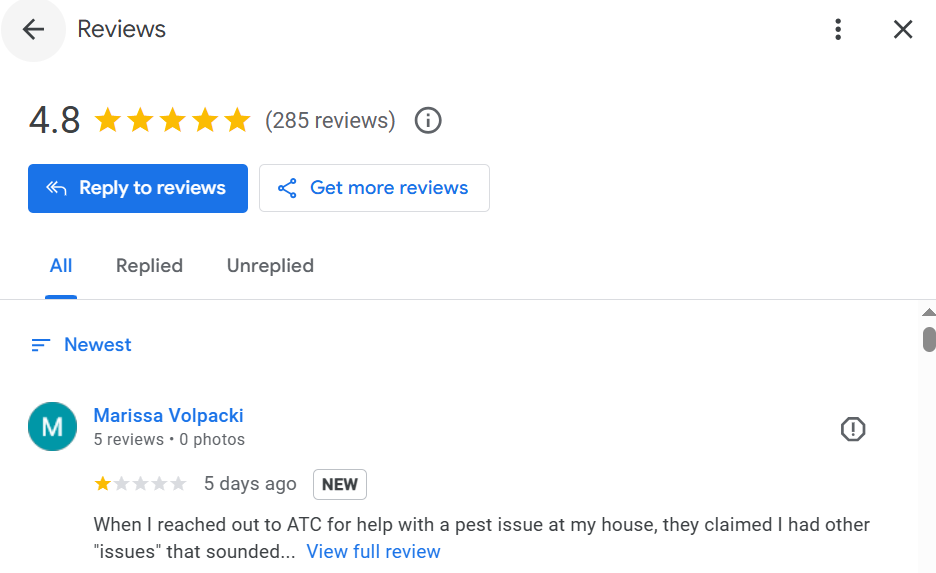
Intent-based leads — homeowners actively searching for pest help — are usually the most valuable.
These types of exclusive pest control leads often have:
- higher close rates
- better customer communication
- less price shopping
- stronger long-term customer satisfaction
For a pest control business, this means the same lead volume can produce far more revenue when the leads are higher intent.
Which is why many contractors start shifting their marketing efforts away from shared leads and toward stronger online visibility.
A Real Scenario: From Slow Month to Steady Pest Control Calls
One pest control company we worked with had spent years buying leads from multiple lead vendors
Some months were busy.
Other months were painfully quiet.
They were constantly chasing more leads but never knew which marketing strategies were actually working.
After shifting their focus toward improving their Google Business Profile and strengthening local search visibility, something changed.
Instead of random leads, they began receiving steady phone calls from homeowners in their service area.
These weren’t shared leads.
They were potential customers who found the company while actively searching for help.
Calls started coming in from:
- termite inspections
- rodent removal
- bed bug treatment
And for the first time, the company could actually track where their pest control leads were coming from.
The difference wasn’t luck.
It was visibility.
And once a company understands where high quality pest control leads actually come from, the next question naturally becomes:
How do you build a system that produces those leads consistently?
Because generating a few leads here and there is one thing.
But building a predictable pest control lead generation system that delivers steady calls month after month is something else entirely.
And that’s exactly what we’ll walk through next.
The Hector 6-Step Predictable Pest Control Lead System
To consistently get pest control leads that turn into booked jobs, you need a system—not random lead generation services or short-term marketing tactics.
A predictable pest control lead generation system builds visibility where homeowners are already actively searching, establishes trust before the call, and tracks which pest control leads turn into real revenue.
Here’s the framework many growing pest control companies use.
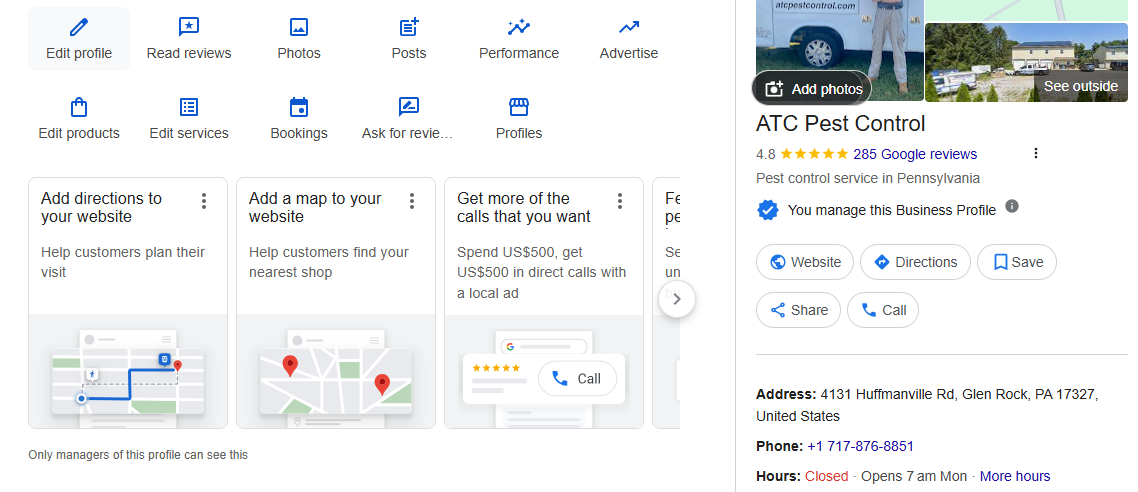
Step 1 — Optimize Your Google Business Profile
Your Google Business Profile is one of the most important sources of pest control leads.
When homeowners search for pest control near me or termite treatment, Google Maps listings appear first. If your profile is weak or incomplete, potential customers move on to another pest control company.
A strong profile should include:
- accurate business hours
- clearly defined service area
- pest-specific service categories
- photos of technicians and real jobs
- detailed descriptions of pest control services
Small improvements here can significantly increase online visibility and help generate exclusive pest control leads.
Step 2 — Build Consistent 5-Star Reviews
Reviews influence both rankings and trust.
When homeowners compare pest control providers, they quickly look at review count and rating. Companies with strong review profiles usually attract more high quality pest control leads.
Simple systems can help maintain steady review growth:
- asking satisfied customers after service delivery
- sending follow-up texts or emails
- encouraging feedback from existing customers
More positive reviews create stronger credibility, which increases both lead volume and close rates.
Step 3 — Launch Local Services Ads for Fast Lead Flow
Local Services Ads (LSA) can help generate pest control leads quickly.
Unlike traditional PPC advertising, LSAs operate on a pay-per-lead model. This can bring in potential customers searching for pest control services within your service area.
Many contractors begin seeing exterminator leads within a few weeks.
However, it’s still important to monitor campaign performance, lead quality, and response speed.
Step 4 — Build a Local SEO Website That Targets Pest Control Searches
Your website supports long-term lead generation by capturing homeowners searching for specific services.
Pages should target common searches such as:
- termite treatment
- rodent removal
- bed bug treatment
- mosquito control
- commercial pest control
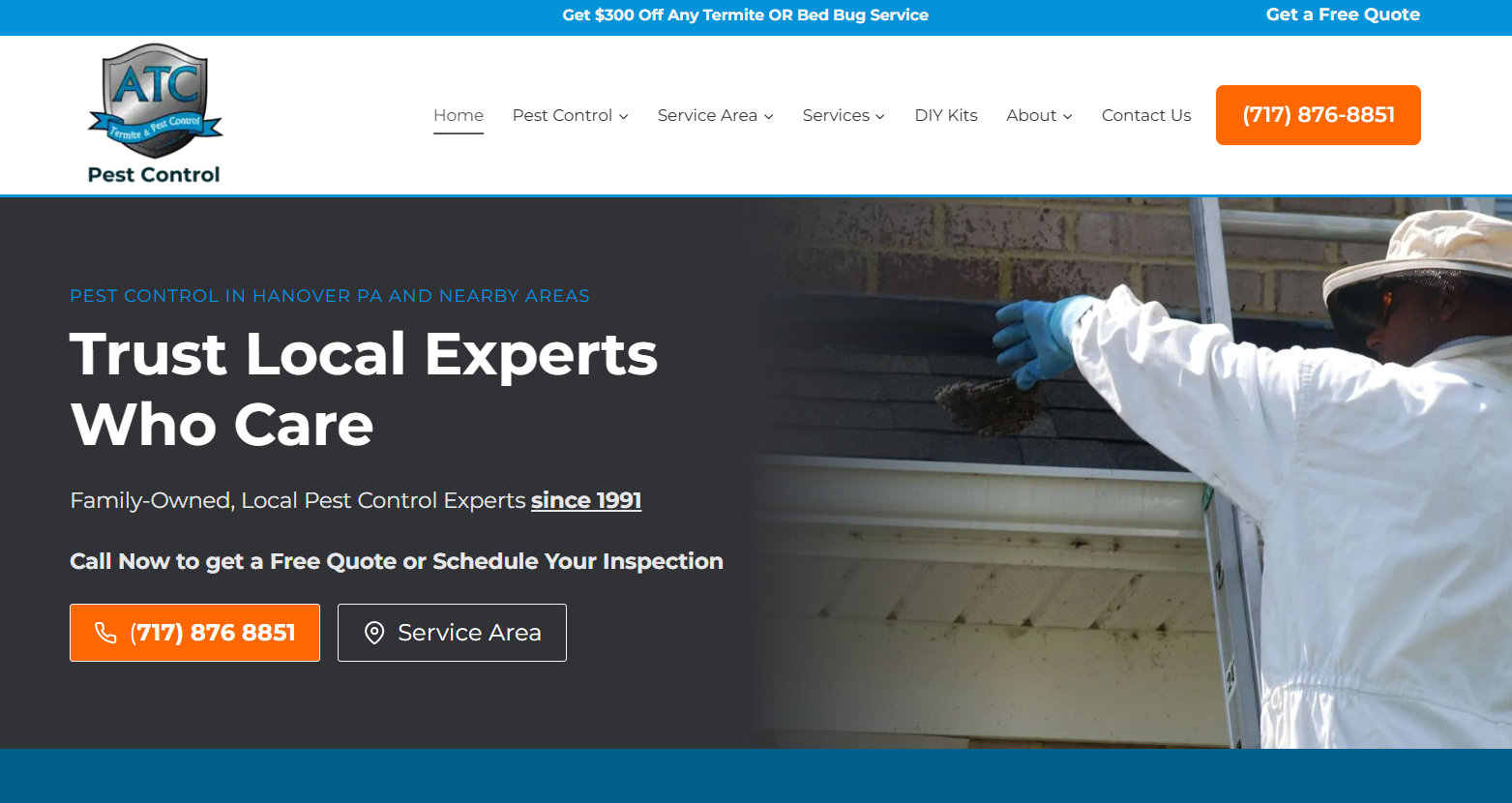
Well-structured pages improve search engine results and help your pest control business attract potential customers who are already looking for help.
Step 5 — Ongoing SEO and Authority Building
This is where long-term pest control lead generation compounds.
Consistent search engine optimization work helps your site rank for local keywords across multiple services and neighborhoods.
Key activities often include:
- publishing helpful content about pest problems
- strengthening local citations
- earning backlinks from relevant sites
- improving technical aspects of the website
Over time, rankings increase, visibility improves, and leads grow steadily.
Step 6 — Strategic PPC for Scaling
Once the organic system is working, PPC advertising can help expand reach.
Some pest control companies use it to:
- enter new service areas
- promote seasonal services
- increase lead volume during slow periods
But PPC works best when it supplements strong organic visibility rather than replacing it.
With the right tracking, you can measure leads generated, adjust marketing cost, and maintain control over your marketing efforts.
FAQs
What are the best pest control leads?
The best pest control leads come from homeowners actively searching for help. These intent-based leads—often from Google search or Maps—typically convert better than shared leads from lead generation companies.
How can I get pest control leads without buying them?
The most reliable way is improving online visibility through Google Business Profile, strong reviews, and consistent search engine optimization. This attracts potential customers searching for pest services in your service area.
How long does pest control lead generation take?
Some channels are fast, others compound.
- Local Services Ads: often 1–3 weeks
- SEO and organic visibility: typically several months but builds long-term lead flow
Once established, organic visibility can create a steady stream of pest control leads.
Are exterminator leads from Angi worth it?
They can occasionally produce jobs, but they are often shared with multiple companies, which increases price competition and lowers close rates.
Many contractors eventually prefer exclusive pest control leads generated through their own visibility.
Should pest control companies run Google Ads?
Online advertising can work, but it requires careful tracking and budget control. Without clear tracking of phone calls and booked jobs, marketing strategies based on PPC can become expensive.
Where Hector Fits In
At Hector, the focus isn’t simply producing more leads.
The goal is helping contractors build a system they actually control.
That means:
- clear tracking from lead generation to booked jobs
- reporting tied to real revenue
- building assets that continue producing leads over time
Instead of renting leads from platforms, contractors build long-term visibility that keeps bringing in new customers.
A Story From the Field
A family-owned pest control company we worked with had spent years relying on shared leads.
Some months they were overwhelmed with work.
Other months the phone barely rang.
Every year they tried new lead generation services, hoping something would stabilize their lead volume.
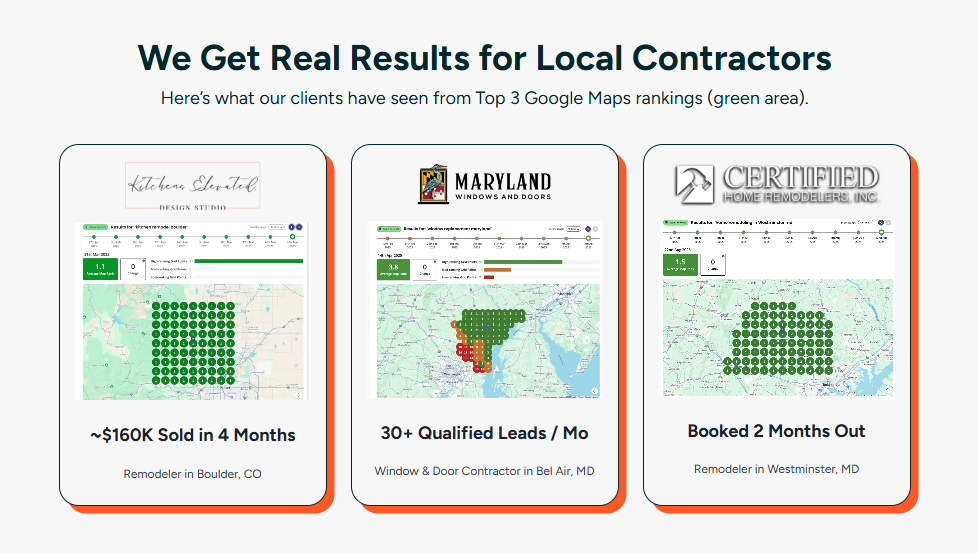
Eventually they shifted their focus toward visibility in Google Maps, strengthening their Google Business Profile, and collecting consistent reviews.
Within several months, something changed.
Calls began coming directly from homeowners searching for:
- termite inspections
- rodent removal
- bed bug treatment
- recurring general pest control
Instead of shared leads, these were exclusive leads from people who had already chosen the company before calling.
The biggest realization wasn’t about getting more leads.
It was about control.
Once they understood where their pest control leads were coming from, they could finally plan for growth instead of hoping the phone would ring.
Want a Clearer Picture of Your Pest Control Lead Flow?
Most pest control businesses don’t need another marketing platform.
They need clarity.
Clarity about where their leads come from.
Clarity about which marketing efforts produce real jobs.
And clarity about how to build a system that keeps producing high quality leads.
If you want a clearer perspective on your current pest control lead generation system, we’re always happy to talk through it.
No pressure.
Just an honest conversation about what’s working, what isn’t, and what a more predictable lead generation strategy might look like for your pest control business.
Related Posts: